2026 Dog Price Guide: Doberman, Chow Chow, and Husky Explained

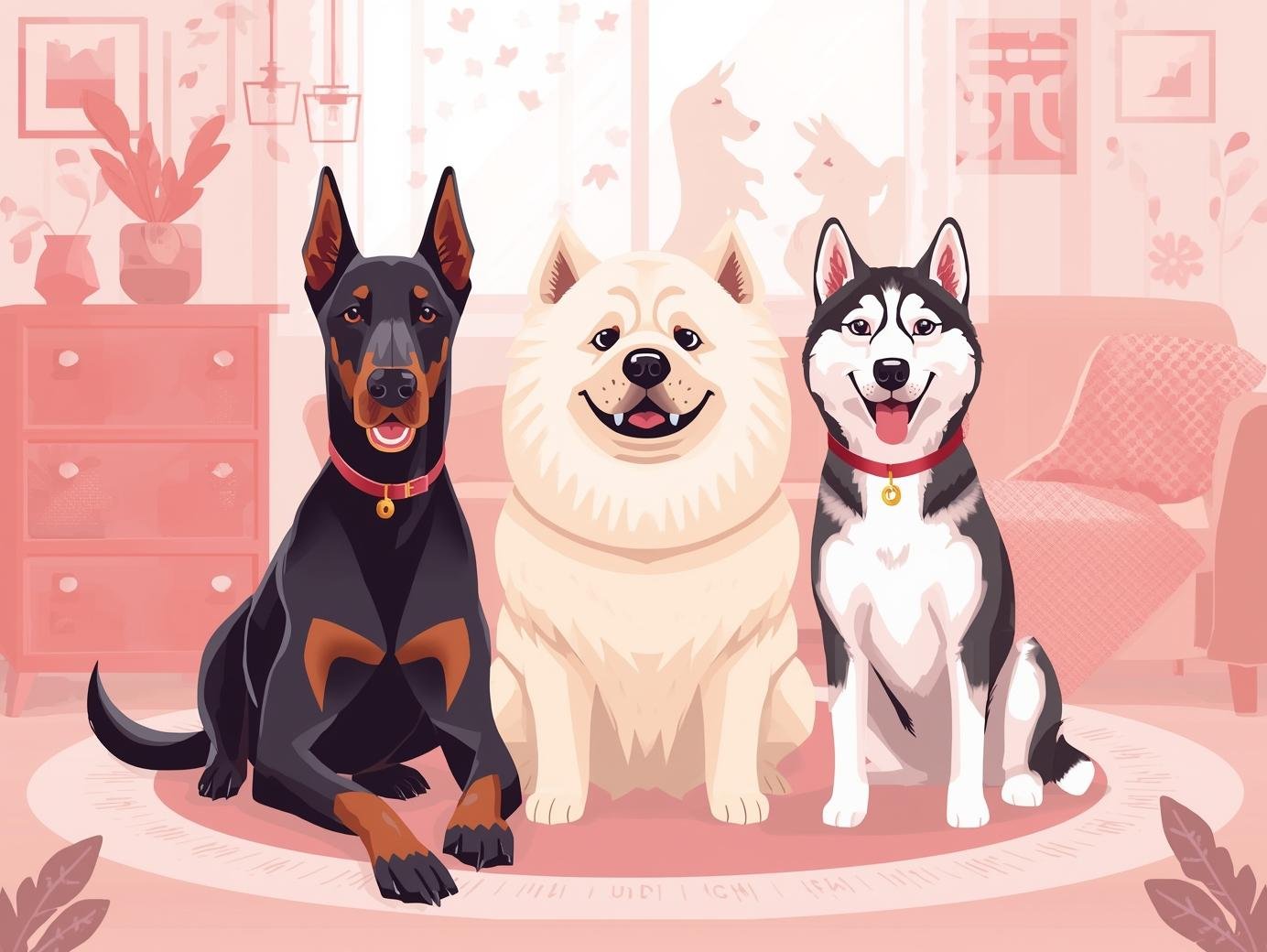
Many people who want to own a dog start by asking about cost. They compare doberman price, chow chow price, and husky dog price to decide which breed fits their budget. Price is important, but it should never be the only reason to choose a dog. A dog is a long-term responsibility, not a short purchase. The price of a puppy depends on many factors such as breed popularity, care needs, health, climate suitability, and long-term costs. Understanding these factors helps people make smart and kind decisions.
Dogs need food, shelter, training, medical care, and love. The money paid at the beginning is only the first step. Over the years, owners spend much more on daily care. Some breeds cost more to buy but less to maintain, while others may have a lower purchase price but higher long-term costs. When owners understand the full picture, they are better prepared for life with a dog.
we will explains why dog prices are different and what affects them. It also explains how lifestyle, environment, and care needs should be considered together with price.
Doberman Price: What You Pay For Strength and Loyalty
The doberman price is often higher than some other breeds because Dobermans are known for strength, intelligence, and loyalty. This breed is popular as a family protector and companion. Dobermans are alert and confident, which makes them desirable for many owners. High demand often leads to higher prices.
Dobermans are usually raised with careful breeding to ensure good temperament and health. Responsible breeders invest time and money in health checks, vaccinations , and early socialization. These efforts increase the initial price but reduce future health problems.
Dobermans have short coats, which reduces grooming costs. However, they need proper training and regular exercise. They are very smart and need mental stimulation. Some owners choose professional training, which adds to overall cost.
Dobermans also need quality food to support muscle strength and energy. Medical care is important because some Dobermans are prone to heart conditions. Regular vet visits help maintain health and extend lifespan.
The price of a Doberman reflects not just the dog itself, but the care and responsibility that come with owning a powerful and sensitive breed.
Chow Chow Price: Independence, Appearance, and Care Cost
The chow chow price is often influenced by the breed’s unique appearance and calm personality. Chow Chows are known for their thick fur, lion-like look, and independent nature. Their appearance makes them popular, which increases demand and price.
Chow Chows require regular grooming because of their thick coat. Grooming tools, professional grooming sessions, and time investment increase long-term cost. In warm climates, Chow Chows need air-conditioned living spaces to avoid heat stress, which adds to expenses.
This breed is more independent and may not need constant activity, but training still requires patience. Chow Chows are not always eager to please, so experienced owners may be better suited for this breed.
Health care is also important. Chow Chows can have skin and eye issues if grooming is neglected. Quality food supports coat health and digestion.
The price of a Chow Chow reflects the breed’s appearance, grooming needs, and care requirements. Owners should consider lifestyle and environment carefully before choosing this breed.
Husky Dog Price: Beauty, Energy, and Climate Challenges
The husky dog price is often high because Huskies are very popular and visually striking. Their blue eyes, thick coat, and wolf-like appearance attract many buyers. Demand plays a big role in setting price.
However, Huskies are not easy dogs to care for, especially in warm climates. They are bred for cold environments and need special care to stay comfortable in heat. Air conditioning, limited outdoor activity, and regular grooming are necessary.
Huskies are also very energetic and intelligent. They need daily exercise and mental stimulation. Without proper activity, they may become destructive or try to escape. Training and time commitment are important and may increase cost.
Food cost for Huskies can be higher because they need balanced nutrition to support energy and coat health. Veterinary care is important to monitor heat-related issues.
The price of a Husky reflects popularity, care difficulty, and long-term responsibility. Owners should understand that beauty comes with effort and cost.
Why Dog Prices Are Different
Dog prices vary because breeds have different needs. Size, energy level, health risks, grooming needs, and popularity all affect price. Breeds that need more care usually cost more over time.
Import costs, breeder quality, and health checks also affect price. Puppies raised with good standards cost more but are often healthier.
Price differences help signal responsibility levels.
Initial Cost vs Lifetime Cost
Many owners focus only on purchase price. Lifetime cost includes food, vet care, grooming, training, and supplies. Over time, these costs can be much higher than the initial price.
Planning for long-term cost prevents stress and neglect.
Lifestyle and Cost Connection
Active breeds need more exercise and training. Calm breeds need more grooming or special care. Matching breed to lifestyle reduces unnecessary expenses.
Wrong choices increase cost and frustration.
Training and Behavior Expenses
Some breeds need professional training. Training improves safety and quality of life. Investing in training early saves money later by preventing behavior problems.
Good training is part of responsible ownership.
Grooming and Maintenance Costs
Thick-coated breeds need more grooming. Short-coated breeds are easier to maintain. Grooming affects comfort and health.
Neglecting grooming causes illness and extra vet bills.
Veterinary Care and Health Costs
All dogs need regular vet visits. Some breeds are more prone to certain health problems. Preventive care reduces serious illness and expenses.
Vet care is a lifelong cost.
Climate and Living Environment
Hot climates require extra cooling and care for some breeds. Air conditioning, cooling mats, and indoor living add to expenses.
Climate suitability matters.
Emotional and Time Investment
Dogs need time and attention. Emotional care affects behavior and health. Busy owners may need daycare or help, which adds cost.
Time is part of the price.
Common Buyer Mistakes
Choosing based on looks only, ignoring care needs, and underestimating cost are common mistakes. Education helps avoid these problems.
Smart choices lead to better experiences.
Responsible Buying Decisions
Buying from responsible sources supports animal welfare. Cheap prices often hide poor care or health problems.
Quality matters more than price.
Preparing Financially for Dog Ownership
Planning a budget helps owners stay committed. Emergency funds for vet care are important.
Preparation creates stability.
Long-Term Commitment and Responsibility
Dogs live many years. Ownership should last a lifetime. Understanding cost and responsibility helps owners stay committed.
Commitment creates trust.
Quality of Life Matters Most
A dog’s happiness depends on care, not price. Proper food, exercise, and love matter more than how much the dog cost.
Good care creates happy dogs.
Price Is Only the Beginning
Dog prices reflect many factors, but they are only the start of the journey. Real cost includes care, time, and responsibility. Choosing the right dog based on lifestyle and ability to provide care leads to happier lives for both dogs and owners.
Understanding price helps owners make smart and kind decisions.
You can find puppies for sale near me