

3 Heat Facts About Pomeranian Teacup, Belgian Malinois, and German Shepherd Puppy

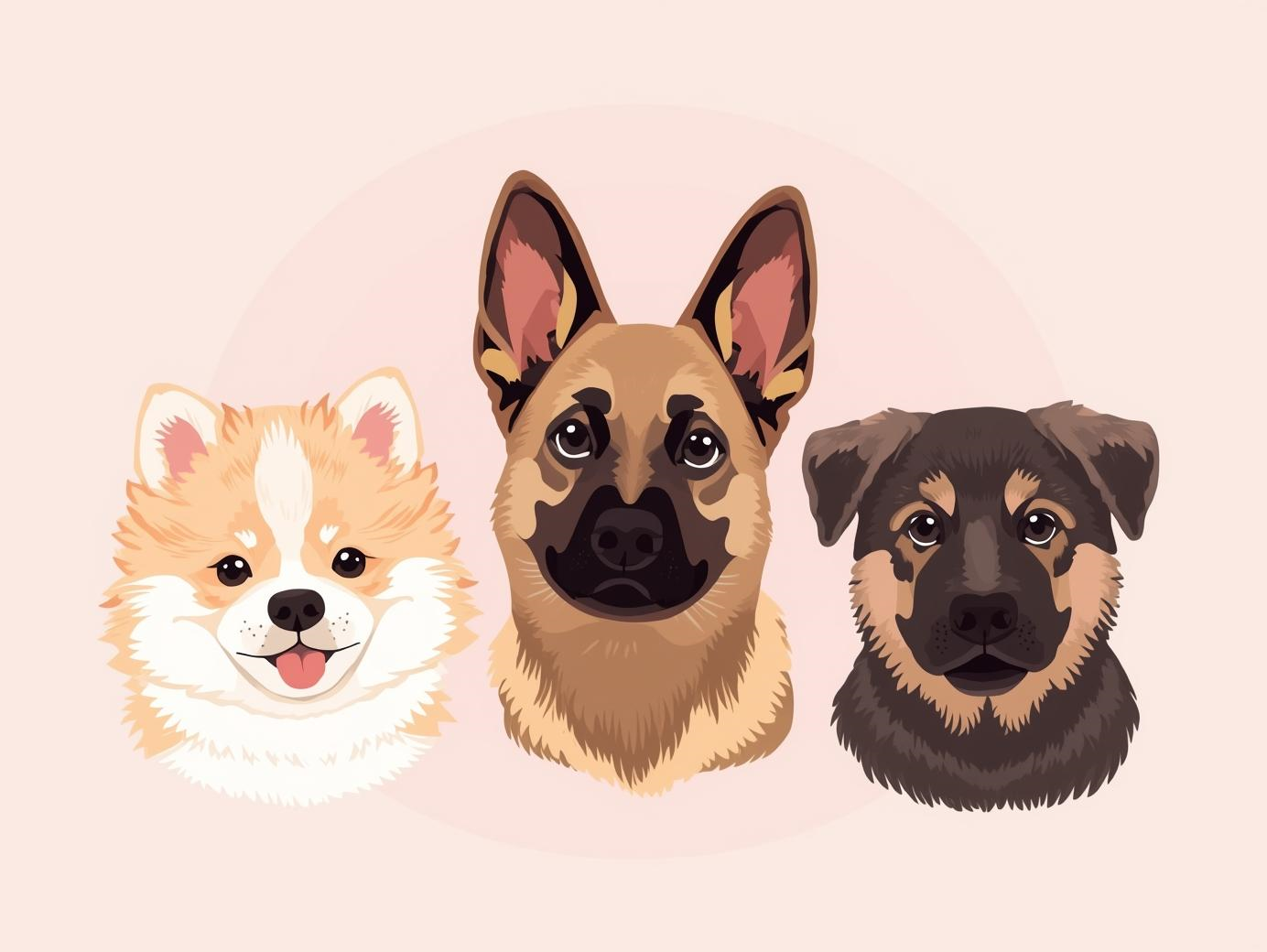
Dogs regulate their body temperature very differently from humans. While humans sweat through their skin, dogs mainly cool themselves by panting and through limited sweat glands in their paws. A normal dog’s body temperature is higher than a human’s, usually between 38°C and 39.2°C. This means dogs already live closer to the danger zone when exposed to hot weather.
When the air temperature rises, especially in places with strong sun and humidity like the UAE, dogs can struggle to release excess heat. Puppies are even more sensitive because their bodies are still developing and their ability to control temperature is not fully mature.
Heat tolerance in dogs depends on many factors. Breed size, coat thickness, nose shape, muscle mass, and activity level all affect how well a dog handles hot weather. Some dogs were originally bred for cold climates, while others developed in warmer regions. This history still affects how their bodies react today.
Understanding these differences is very important for dog owners living in hot countries. High temperature exposure without proper care can lead to heat exhaustion or heatstroke, which are serious medical emergencies.
This article explains how different dogs handle heat, focusing on body temperature, tolerance levels, and daily care in hot weather. It also looks at how lifestyle, environment, and owner behavior can help dogs stay safe and comfortable even during very hot days.
Pomeranian Teacup: Small Body, High Heat Risk
A pomeranian teacup has a very small body and a thick double coat, which makes heat management difficult. Even though this dog is tiny, its body temperature stays within the normal dog range, which means it can overheat very quickly. The thick fur traps heat close to the skin, and the small body size means there is less space to spread and release heat. Because of this, teacup Pomeranians have very low tolerance for high temperatures.
In hot weather, this breed should stay indoors in air-conditioned spaces most of the time. Short outdoor trips should be limited to early morning or late evening. Even a few minutes in strong heat can raise their body temperature to dangerous levels. Signs of overheating include heavy panting, weakness, shaking, and lying down suddenly. Because of their size, heatstroke can happen very fast.
Grooming helps but must be done correctly. Shaving is not recommended, but regular brushing removes loose undercoat and improves airflow. Fresh water must always be available, and cooling mats are very helpful for this breed. Owners must understand that a teacup Pomeranian is not built for outdoor heat and needs constant temperature control to stay healthy in hot climates.
Belgian Malinois: Athletic Body but Low Heat Patience
A belgian malinois for sale often attracts people who admire strong, active, and intelligent dogs. However, this breed’s heat tolerance is often misunderstood. Belgian Malinois have a lean, muscular body and a short coat, which helps with airflow, but their high energy level works against them in hot weather. Their normal body temperature rises quickly during activity, and they often push themselves too hard without realizing the danger.
This breed can tolerate warm weather better than thick-coated dogs, but it does not tolerate extreme heat well. In places like the UAE, intense exercise during the day is dangerous. Belgian Malinois should only exercise during very cool hours and should spend most of the day indoors. Because they are highly driven, mental activity becomes more important than physical exercise during hot months.
Cooling breaks, water access, and shaded rest are critical. Owners should watch closely for early heat stress signs such as fast panting, red gums, and loss of focus. The Belgian Malinois can adapt to hot climates only when owners control activity levels and provide a structured, temperature-safe routine.
German Shepherd Puppy: Balanced Strength but Sensitive to Heat
A german shepherd puppy has a double coat and a strong, growing body, which affects heat tolerance. While adult German Shepherds can adapt with care, puppies are much more sensitive. Their body temperature rises quickly during play, and their thick coat slows heat release. This makes them vulnerable in hot climates, especially during growth stages.
German Shepherd puppies should live mainly indoors in air-conditioned environments. Outdoor time should be short and planned carefully. Early training should focus on calm behavior rather than intense activity. As puppies grow, controlled exposure helps them learn limits, but heat stress must always be avoided.
Hydration is very important for this breed. Puppies should drink often, and food should be given during cooler hours to avoid adding internal heat. Grooming helps remove loose fur, but shaving is not advised. With proper care, German Shepherd puppies can live comfortably in hot regions, but only when heat safety is a daily priority.
How Dogs Regulate Body Heat
Dogs cool down mainly through panting. When a dog pants, air passes over the tongue and lungs, helping release heat. This process is slower than sweating and becomes less effective when the air is hot or humid. That is why high humidity increases heat danger. Dogs also release some heat through their paws and belly when lying on cool surfaces.
Because dogs cannot cool themselves quickly, prevention is much safer than treatment. Once body temperature rises too high, internal organs can be damaged in minutes. Puppies and small dogs reach this stage faster than large adults.
Heat Tolerance and Coat Type
Coat type plays a big role in heat tolerance. Double-coated dogs trap heat, even when the coat looks light or fluffy. Short-coated dogs release heat faster but can still overheat if active. Light-colored coats reflect sunlight better than dark ones, but this does not protect from internal heat buildup.
Regular brushing helps all breeds by improving air circulation. Clean, healthy skin also helps with temperature balance. However, coat care alone is not enough in extreme heat.
Size and Body Mass Effects
Small dogs heat up faster because they have less body mass to absorb temperature changes. Large dogs heat up slower but struggle to cool down once overheated. Muscular dogs generate more internal heat during movement. Puppies are at higher risk because their systems are not fully developed.
Understanding body size helps owners adjust routines and expectations during hot weather.
Activity Level and Heat Risk
High-energy dogs face higher heat risk. Running, jumping, and training raise body temperature quickly. In hot climates, activity must be reduced. Mental games, obedience training, and calm interaction replace physical play during summer.
Rest is not laziness. It is a safety requirement in extreme heat.
Indoor Living in Hot Climates
Indoor living with air-conditioning is essential in hot regions. Dogs should have cool resting areas, good airflow, and quiet spaces. Tile floors and cooling mats help reduce body heat. Fans can help but should not replace air-conditioning.
Owners should monitor indoor temperature even when away. Power outages can be dangerous, so backup plans are important.
Water and Hydration
Water is the most important tool for heat safety. Dogs should always have access to clean, cool water. Bowls should be refilled often. Adding ice is helpful but should not stop the dog from drinking normally.
Wet food or lightly soaked kibble can help increase water intake during hot days.
Feeding and Body Temperature
Digestion creates heat. Feeding during the hottest hours increases body temperature. Meals should be given early morning or evening. Overfeeding causes weight gain, which reduces heat tolerance.
Balanced diets support healthy metabolism and better heat management.
Signs of Heat Stress
Early signs include heavy panting, drooling, restlessness, and seeking cool surfaces. Advanced signs include vomiting, weakness, confusion, and collapse. Heatstroke is a medical emergency and needs immediate veterinary care.
Owners should act fast and never wait to see if symptoms improve on their own.
Safe Cooling Methods
Move the dog to shade or air-conditioning. Offer water. Place cool (not ice-cold) towels on paws and belly. Never use ice baths, as they can cause shock. Veterinary care should follow immediately.
Long-Term Heat Adaptation
Dogs do not become fully heat-resistant over time. They may learn limits, but biology does not change. Long-term safety depends on routine, environment, and owner awareness.
Dogs that live comfortably in hot climates do so because owners manage heat exposure carefully every day.
Owner Responsibility in Hot Weather
Owning a dog in a hot country means accepting extra responsibility. Walk schedules change. Play styles change. Daily habits change. Ignoring heat risks can cause serious harm.
Responsible ownership means choosing routines that protect health over convenience.
Mental Health and Heat
Heat affects mood and behavior. Dogs may become irritable or restless. Calm interaction, gentle play, and quiet time help maintain emotional balance during hot periods.
Stress increases body heat, so peaceful environments matter.
Veterinary Monitoring
Regular vet visits help detect heat-related stress early. Puppies should be monitored closely during summer. Vets can give advice on hydration, diet, and activity levels. Preventive care saves lives.
Heat tolerance is not equal across breeds. Body size, coat, energy level, and age all matter. In hot climates, safety comes from understanding limits and respecting biology. Dogs depend on owners to protect them from conditions they cannot escape on their own.
With the right care, dogs can live safely and happily even in extreme heat. Awareness, preparation, and daily attention make all the difference.