

How Alaskan Malamute, Dalmatian, and German Shepherd Puppies Adapt to the UAE Climate

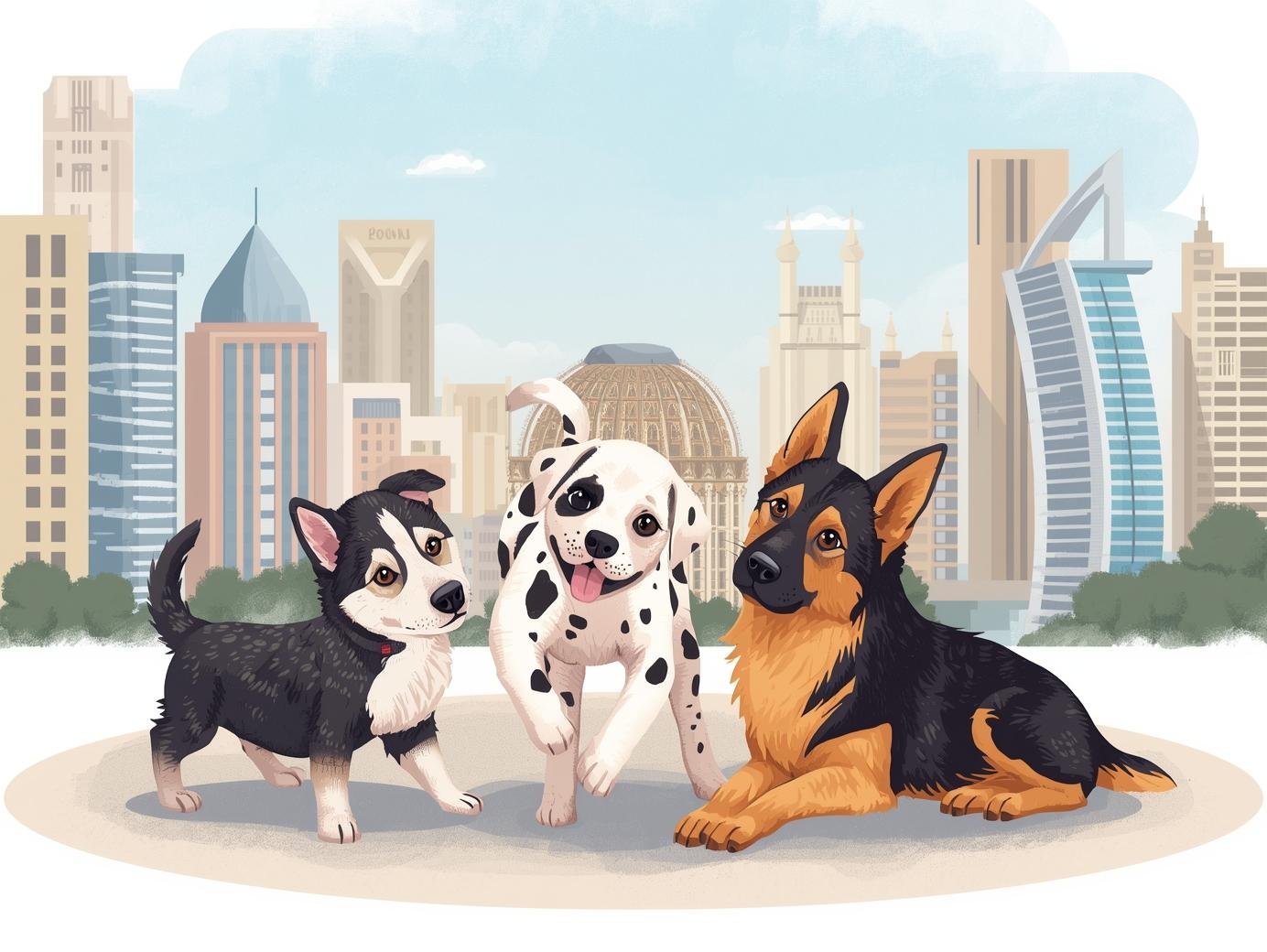
Living in the United Arab Emirates presents unique challenges for dog ownership, especially for breeds that were originally developed in colder or temperate regions. High temperatures, intense sunlight, humidity in coastal areas, and extended summers all place physical stress on dogs that are not naturally adapted to desert climates.
Puppies are particularly vulnerable because their bodies are still developing, and their ability to regulate temperature is not yet fully mature. For dog owners in the UAE, survival does not simply mean keeping a dog alive—it means creating conditions where the dog can live comfortably, safely, and with good quality of life. Climate-appropriate care involves understanding breed physiology, coat type, metabolism, exercise tolerance, hydration needs, and housing requirements.
Many popular breeds in the UAE originate from environments vastly different from the Gulf region. Snow dogs, working dogs, and high-energy breeds can still live in the UAE, but only with responsible ownership, careful planning, and daily adjustments. Air-conditioned housing, controlled outdoor exposure, proper grooming, feeding strategies, and heat-aware routines all become essential.
This article explores how three very different puppies can adapt to the UAE climate, examining not only whether they can survive, but how they can thrive when their needs are fully understood and respected.
Alaskan Malamute Puppy: Managing a Cold-Climate Breed in Extreme Heat
An alaskan malamute puppy faces the greatest climatic challenge in the UAE due to its origin as an Arctic working dog bred for endurance in freezing temperatures. This breed has a dense double coat designed to trap heat and protect against snow, making it highly sensitive to hot environments. Survival in the UAE climate requires strict environmental control.
These puppies must live primarily indoors in fully air-conditioned spaces, with outdoor exposure limited to very early mornings or late evenings when temperatures are lowest. Midday walks, even in winter, can be dangerous due to heat retention in the coat and paw pads.
Grooming plays a critical role in climate adaptation. While shaving is not recommended because the coat also insulates against heat, regular brushing is essential to remove loose undercoat and improve airflow to the skin. Hydration must be constant, with fresh water always available, and owners should monitor for early signs of heat stress such as excessive panting, lethargy, drooling, or confusion.
Diet should be adjusted to avoid excessive calories during periods of reduced activity, as weight gain increases heat sensitivity. Cooling mats, shaded resting areas, and temperature-controlled sleeping spaces are not luxuries but necessities for this breed in the UAE.
Exercise for Malamute puppies must be carefully managed. Mental stimulation indoors often replaces physical exertion outdoors. Training, puzzle toys, scent games, and obedience work help prevent boredom without risking overheating.
Owners must accept that this breed cannot live a traditional outdoor lifestyle in the UAE. With disciplined care, controlled exposure, and a strong commitment to climate management, an Alaskan Malamute puppy can survive in the UAE, but only in homes prepared to prioritize comfort and safety above all else.
Dalmatian Puppy: Heat Tolerance with High Activity Demands
A dalmatian puppy has a very different relationship with the UAE climate compared to cold-weather breeds. Originally developed as an endurance runner, the Dalmatian has a short coat and lean body that allows for better heat dissipation.
This makes the breed more naturally adaptable to warmer environments. However, survival in the UAE climate still requires careful management because Dalmatians are highly active and energetic. Their desire to run and play can quickly lead to overheating if exercise is not properly timed and regulated.
Hydration is critical for Dalmatian puppies, not only for temperature regulation but also for urinary health, as this breed is prone to specific metabolic issues related to uric acid. Clean, fresh water must be available at all times, and feeding schedules should support hydration rather than dehydration.
Exercise should be scheduled strictly during cooler hours, with shaded routes and frequent rest breaks. Pavement temperature is a serious concern, as hot surfaces can burn paw pads within seconds during UAE summers.
Indoor life plays a major role in adaptation. Dalmatians are social dogs and do well when included in family routines inside air-conditioned homes. Mental stimulation helps reduce the need for excessive physical exertion.
Grooming is relatively simple due to the short coat, but regular brushing helps remove loose hair and maintain skin health. Owners must be vigilant for signs of heat exhaustion, especially in young puppies that may not self-regulate activity levels.
With proper care, Dalmatians can live comfortably in the UAE. Their adaptability depends less on coat type and more on owner discipline. When exercise, hydration, and environment are managed responsibly, Dalmatian puppies can maintain healthy energy levels and enjoy an active yet climate-safe lifestyle.
German Shepherd Puppy Price: Climate Adaptation vs Long-Term Commitment
The german shepherd puppy price often reflects not only lineage and training potential but also the long-term responsibility required to raise this breed in a hot climate like the UAE. German Shepherds are versatile working dogs with a double coat that provides protection in cold and moderate climates. While not as extreme as Arctic breeds, their coat still limits heat dissipation.
Puppies can adapt to UAE conditions, but doing so requires consistent climate-aware routines and owner commitment beyond the initial purchase.
German Shepherd puppies must grow up in air-conditioned environments with controlled outdoor exposure. Early training helps establish calm behavior indoors, reducing the need for excessive physical activity during hot hours. Grooming is essential to remove dead undercoat and improve airflow.
Nutrition plays a role as well; balanced diets that support lean muscle without promoting excess weight help reduce heat stress. Owners should also invest in cooling solutions such as elevated beds, cooling mats, and shaded rest areas.
Exercise for German Shepherd puppies should emphasize quality over quantity. Short training sessions, obedience work, and mental challenges help satisfy the breed’s intelligence without risking overheating. As the puppy matures, conditioning must be gradual, allowing the dog to build tolerance while avoiding peak heat exposure.
German Shepherds are emotionally sensitive and thrive on structure, making them well-suited to disciplined routines that prioritize safety.
The true cost of owning this breed in the UAE extends beyond the initial price. Veterinary care, grooming, cooling infrastructure, and time investment all factor into successful adaptation. With responsible ownership, German Shepherd puppies can live healthy, productive lives in the UAE climate, but they demand preparation and awareness.
Understanding Heat Stress and Canine Thermoregulation
Dogs regulate body temperature primarily through panting, which is far less efficient than sweating. In hot climates, this limitation becomes critical. Puppies are especially vulnerable because their thermoregulatory systems are still developing. Heat stress can escalate quickly into heatstroke, a life-threatening condition. Recognizing early warning signs and responding immediately is essential for all dog owners in the UAE.
Shade, ventilation, hydration, and rest form the foundation of heat safety. Dogs should never be left outdoors unattended, even for short periods. Vehicles pose extreme danger, as temperatures can rise rapidly within minutes.
Owners must also understand that humidity increases heat stress by reducing the effectiveness of panting. Coastal areas in the UAE require extra caution due to combined heat and humidity.
Housing and Indoor Living in the UAE
Indoor living is not optional for most medium to large breeds in the UAE—it is essential. Air-conditioning must be consistent, especially during summer months. Flooring materials should be cool and non-slip. Dogs should have access to quiet resting areas away from direct sunlight. Noise, stress, and overcrowding can increase body temperature, so calm environments are preferable.
Crate training can help puppies feel secure indoors, but crates must never be placed in warm or poorly ventilated areas. Owners should monitor indoor temperatures even during power outages and have contingency plans in place.
Feeding Strategies for Hot Weather
In hot climates, appetite often decreases. Puppies may eat smaller portions, which is normal as long as nutrition remains balanced. Feeding during cooler hours helps reduce digestive heat load. Wet food or moisture-enhanced meals can support hydration. Overfeeding should be avoided, as excess body fat increases heat retention.
Fresh water should be replaced frequently, and bowls should be cleaned daily to encourage drinking. Ice cubes can be added safely for enrichment, but frozen treats should not replace proper hydration.
Exercise Timing and Lifestyle Adjustments
Exercise routines must adapt to the climate. Early morning and late evening are the only safe windows for outdoor activity during much of the year. Indoor play, training, and enrichment become primary outlets. Owners must accept that traditional daytime walks are not suitable for puppies in the UAE.
Mental stimulation reduces physical demand. Training sessions, interactive toys, and scent games help maintain behavioral balance. Puppies that are mentally fulfilled are less likely to become restless or destructive.
Grooming and Coat Management
Proper grooming improves heat tolerance by removing excess fur and improving airflow. Shaving double-coated breeds is not recommended, but regular brushing is essential. Short-coated breeds benefit from skin checks to prevent sunburn, particularly on light-colored areas.
Bathing frequency should be balanced to avoid skin dryness. Cooling sprays and damp towels can provide temporary relief but should not replace environmental control.
Veterinary Care and Monitoring
Regular veterinary checkups are especially important in hot climates. Puppies should be monitored for dehydration, electrolyte imbalance, and heat sensitivity. Vaccination schedules, parasite prevention, and nutritional assessments help maintain resilience.
Emergency preparedness is critical. Owners should know the nearest 24-hour veterinary clinic and recognize heatstroke symptoms. Fast response saves lives.
Long-Term Adaptation and Owner Responsibility
Survival in the UAE climate is not about forcing adaptation—it is about providing conditions that minimize risk. Some breeds require far more effort than others, and owners must honestly assess their ability to meet those demands. Climate awareness must be a daily habit, not an occasional concern.
Thriving, Not Just Surviving
Dogs can live fulfilling lives in the UAE when their needs are respected and met. Breed choice, environment, routine, and education all influence outcomes. Responsible ownership transforms climate challenges into manageable factors, allowing puppies to grow into healthy, happy adult dogs.
Find online puppy store