

How Long Do Alaskan Malamute, Dalmatian, and German Shepherd Dogs Live?

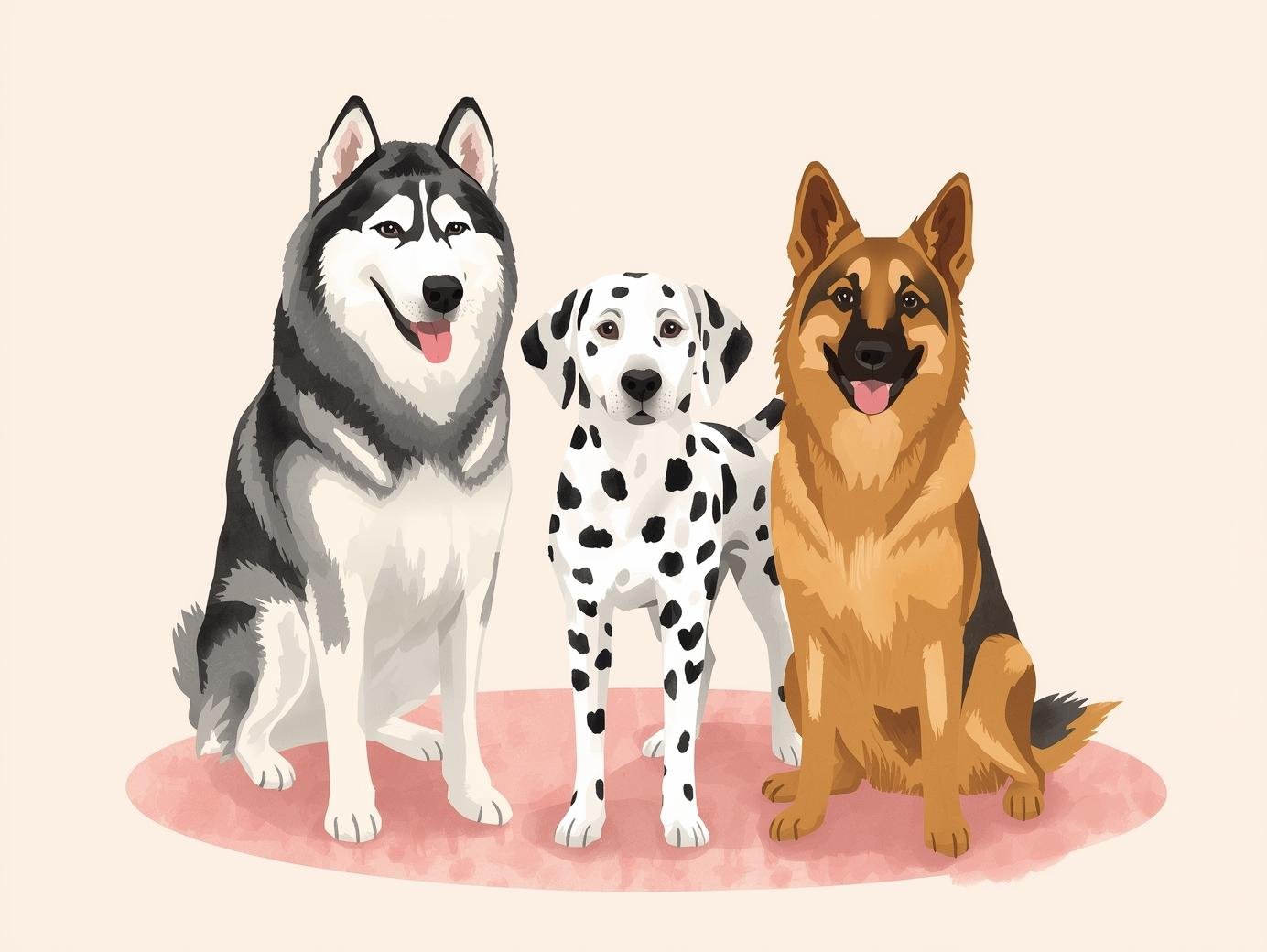
This question becomes important when comparing large and active breeds like the alaskan malamute dog, energetic spotted breeds such as the dalmatian dog, or intelligent working breeds like the black german shepherd puppy. Even though these dogs look very different, their average lifespan depends on similar factors such as genetics, size, health care, food, exercise, and living environment. Understanding lifespan helps owners prepare emotionally, financially, and practically for life with a dog.
Dogs do not all live the same number of years. Some breeds live longer than others, and even within the same breed, lifespan can change based on care quality. Lifespan is not only about how many years a dog lives, but also about how healthy and happy those years are. A dog that lives fewer years with good health and comfort often has a better life than a dog that lives longer with pain or illness.
This article explains the average lifespan of three popular dog breeds and looks at why their lifespans are different. It also explains how owners can help dogs live longer and healthier lives through simple daily care.
Alaskan Malamute Dog: Average Lifespan and Key Factors
The alaskan malamute dog usually lives between 10 and 14 years. This breed is large, strong, and originally bred to pull sleds in cold environments. Because of their size and heavy body, Alaskan Malamutes often have a slightly shorter lifespan than smaller breeds. However, with proper care, many Malamutes live full and active lives well into their senior years.
Genetics play an important role in Malamute lifespan. Some health issues seen in this breed include joint problems, hip dysplasia, and eye conditions. These problems can affect mobility and comfort as the dog ages. Regular veterinary checkups help detect these issues early and slow their progression.
Environment also affects lifespan. Alaskan Malamutes struggle in hot climates because of their thick double coat. In warm regions, they must live indoors in air-conditioned spaces most of the time. Overheating can cause serious health problems and shorten lifespan. Owners must limit outdoor activity to early morning or evening.
Proper nutrition is very important for this breed. Large dogs need controlled feeding to avoid obesity, which puts pressure on joints and organs. Balanced food designed for large breeds supports healthier aging. Daily exercise should be moderate and consistent, not extreme.
With good care, mental stimulation, and climate control, Alaskan Malamutes can enjoy a long and comfortable life.
Dalmatian Dog: Lifespan, Energy, and Health Balance
The dalmatian dog has an average lifespan of about 11 to 13 years. Dalmatians are known for their high energy, athletic body, and strong personality. They were bred to run alongside horses, which gives them good stamina and heart health. This active background supports a fairly balanced lifespan when care is correct.
One important health concern for Dalmatians is their urinary system. This breed is prone to urinary stones, which can affect lifespan if not managed properly. Diet plays a major role here. Special feeding routines and access to clean water help reduce this risk.
Dalmatians also need daily exercise. Regular movement keeps their muscles and heart strong, which supports longevity. However, too much intense exercise without rest can cause injuries. Balance is key.
Mental health is also important. Dalmatians are intelligent and need stimulation. Boredom can lead to stress, which affects overall health. Training, play, and social interaction help maintain emotional balance.
With proper diet, exercise, and veterinary care, Dalmatians can live active and happy lives through their senior years.
black german shepherd puppy: Lifespan From Puppyhood to Senior Years
A black german shepherd puppy usually grows into an adult dog with an average lifespan of 9 to 13 years. German Shepherds are intelligent, loyal, and strong working dogs. Their lifespan depends heavily on early care, training, and health management.
As puppies, German Shepherds grow quickly. Proper nutrition during this stage is critical. Overfeeding or feeding the wrong type of food can cause joint problems later in life. Large-breed puppy food supports slow and healthy growth.
German Shepherds are prone to joint and spine issues as they age. Regular exercise that builds muscle without stress helps protect joints. Mental training also supports long-term health by reducing anxiety and destructive behavior.
Because this breed is emotionally sensitive, stress management is important. Dogs that feel secure and engaged often live healthier lives. Strong bonds with owners, routine, and training improve emotional wellbeing.
With good care from puppyhood, German Shepherds can live full, productive lives as both companions and working dogs.
How Genetics Affect Dog Lifespan
Genetics influence how long a dog lives. Some breeds are more prone to inherited diseases. Responsible breeding reduces these risks. Dogs from healthy bloodlines usually have longer lifespans and fewer serious health problems.
Owners should always choose dogs from trusted sources that prioritize health.
Size and Lifespan Relationship
In general, smaller dogs live longer than larger dogs. Large dogs age faster and put more strain on joints and organs. However, care quality can change this pattern. A well-cared-for large dog may outlive a neglected small dog.
Understanding size-related risks helps owners plan better care.
Nutrition and Longevity
Food affects lifespan more than many people realize. Balanced nutrition supports immune system, organs, and joints. Overfeeding shortens lifespan by causing obesity and related diseases.
Feeding should match age, size, and activity level.
Exercise and Healthy Aging
Exercise keeps dogs healthy but must be controlled. Too little causes weakness. Too much causes injury. Daily walks, play, and rest create balance.
As dogs age, exercise should become gentler.
Veterinary Care and Preventive Health
Regular vet visits catch problems early. Vaccinations, dental care, and parasite control all support long life.
Preventive care saves both money and years of life.
Climate Impact on Lifespan
Heat stresses the body. Dogs in hot climates need cooling, hydration, and limited outdoor exposure. Ignoring heat risks shortens lifespan.
Indoor living with climate control is often necessary.
Mental Health and Emotional Care
Stress affects physical health. Dogs that feel safe and loved often live longer. Training, routine, and affection matter.
Emotional wellbeing supports longevity.
Grooming and Skin Health
Proper grooming improves comfort and prevents infection. Removing loose fur improves temperature control.
Neglected grooming causes discomfort and illness.
Common Owner Mistakes That Reduce Lifespan
Overfeeding, ignoring exercise needs, skipping vet visits, and exposing dogs to extreme heat are common mistakes. Education helps prevent these problems.
Awareness saves lives.
Senior Dog Care
As dogs age, their needs change. Softer food, joint support, and more rest are needed. Owners should adjust routines to support comfort.
Senior care improves quality of life.
Choosing a Breed With Lifespan in Mind
Understanding average lifespan helps owners choose dogs that fit long-term plans. Commitment is easier when expectations are clear.
Preparation leads to better outcomes.
Quality of Life Matters More Than Years
A shorter life with comfort and happiness is better than a long life with pain. Owners should focus on daily wellbeing, not just age numbers.
Love and care define a good life.
Helping Dogs Live Longer, Better Lives
All dogs depend on their owners for health and safety. While breed affects lifespan, care makes the biggest difference. Proper food, exercise, medical care, and emotional support help dogs live longer and happier lives.
Choosing responsibility creates years of companionship and joy.