

Average Lifespan of Belgian Malinois, Miniature Schnauzer, and Husky ( 2026 Guide )

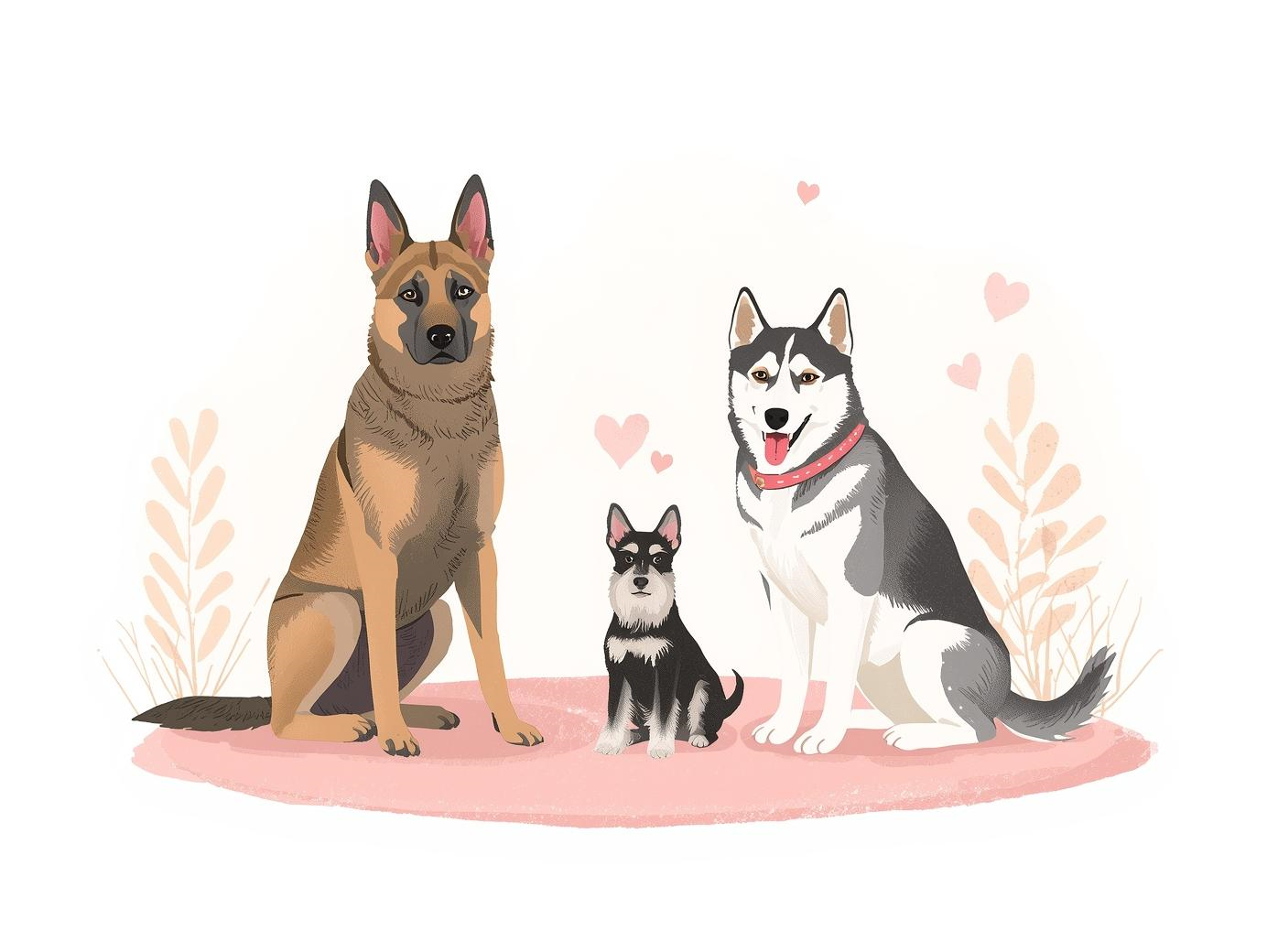
Many people ask how long dogs live, but the answer is never the same for every breed. Dogs have different average lifespans depending on their size, genetics, health care, daily routine, and living environment. Small dogs often live longer than large dogs, but this is not always the rule. Breed history also plays a big role. Dogs bred for intense work or extreme conditions may have shorter lifespans than companion breeds.
Another important factor is care. Dogs that receive good nutrition, regular veterinary care, proper exercise, and emotional attention often live longer and healthier lives. Climate also affects lifespan. In hot countries, dogs that cannot tolerate heat well may face more health risks if not properly cared for. Understanding lifespan is not only about numbers of years. It is also about quality of life during those years.
This article explains the average lifespan of three popular dog breeds and explores why their lifespans differ. It also looks at how owners can help dogs live longer, healthier lives through daily care and smart choices.
Belgian Malinois Dog: Average Lifespan and What Affects It
A belgian malinois dog usually has an average lifespan of about 12 to 14 years. This breed is known for being strong, athletic, and very intelligent. Belgian Malinois are working dogs that were bred for herding, protection, and police or military work. Because of their active nature, they stay physically fit for much of their life, which supports longevity when managed correctly.
However, their high energy level can also create risks. Overworking, intense training without rest, or poor joint care can shorten their lifespan. Belgian Malinois may face health issues such as hip problems, elbow issues, or stress-related conditions if not properly managed. Mental health is also important for this breed. They need structure, training, and mental stimulation to avoid anxiety and destructive behavior.
In warm climates like the UAE, heat management becomes critical. Belgian Malinois can tolerate warmth better than heavy-coated breeds, but they do not handle extreme heat well. Owners must limit exercise to early mornings and evenings and provide air-conditioned living spaces. With proper care, balanced exercise, and strong owner commitment, Belgian Malinois can enjoy long and active lives.
Miniature Schnauzer Dogs: Lifespan and Long-Term Health
miniature schnauzer dogs are known for having a longer average lifespan compared to many other breeds. Most Miniature Schnauzers live between 12 and 15 years, and some even live longer with excellent care. This breed is small to medium in size, which generally supports longer life expectancy. They are alert, active, and adapt well to family life.
Miniature Schnauzers tend to be hardy dogs, but they do have some breed-specific health concerns. These may include issues related to metabolism, teeth, or skin. Regular veterinary checkups help detect problems early. Maintaining a healthy weight is very important, as obesity can shorten lifespan and increase health risks.
This breed adapts well to indoor living, which is helpful in hot climates. They enjoy daily walks and play but do not require extreme physical activity. Mental stimulation is also important, as they are intelligent and curious dogs. With good nutrition, grooming, dental care, and emotional attention, Miniature Schnauzers often enjoy long, comfortable lives and remain active well into old age.
Dog Husky: Lifespan and Climate Challenges
A dog husky typically has an average lifespan of about 12 to 14 years. Huskies are known for their endurance, strength, and ability to work in cold environments. They were bred to pull sleds over long distances in freezing temperatures. This history gives them strong cardiovascular systems and high stamina, which supports longevity under the right conditions.
However, Huskies face challenges in hot climates. Their thick double coat traps heat, making them sensitive to high temperatures. In places like the UAE, Huskies must live indoors in air-conditioned environments most of the time. Outdoor activity must be very limited and carefully timed. Heat stress is a serious risk and can shorten lifespan if not managed properly.
Huskies are also very independent and intelligent. Without proper mental stimulation, they may become bored or stressed, which can affect overall health. Regular grooming, controlled exercise, and structured routines help Huskies stay healthy. With owners who understand their needs and respect climate limitations, Huskies can live long and fulfilling lives even outside cold regions.
How Genetics Influence Dog Lifespan
Genetics play a major role in how long a dog lives. Some breeds are more prone to inherited diseases than others. Responsible breeding helps reduce these risks. Dogs from healthy bloodlines often have fewer medical problems and live longer. This is why choosing a trusted breeder matters.
Mixed genetics within a breed can also affect lifespan. Some lines may be stronger than others. Genetic testing and health screening are important tools that help breeders improve long-term health outcomes.
Size and Lifespan Connection
In general, smaller dogs tend to live longer than larger dogs. This is because large dogs age faster and place more stress on their organs and joints. However, activity level and care can change this outcome. A well-cared-for large dog may live longer than a poorly cared-for small dog.
Understanding size-related risks helps owners plan proper nutrition and exercise routines that support long life.
Nutrition and Its Role in Longevity
Food is one of the biggest factors in lifespan. Dogs need balanced diets that match their age, size, and activity level. Overfeeding leads to obesity, which shortens lifespan. Underfeeding can cause weakness and poor immunity.
High-quality food supports organ health, joint strength, and immune function. Feeding schedules should match daily routines and climate conditions.
Exercise Balance and Aging
Exercise keeps dogs healthy, but too much or too little can be harmful. Working breeds need controlled exercise that protects joints. Companion breeds need daily movement without strain. Aging dogs benefit from gentle activity that maintains muscle without causing pain.
Adjusting exercise as dogs age helps extend quality of life.
Veterinary Care and Early Detection
Regular vet visits help catch problems early. Blood tests, dental exams, and weight checks all support long-term health. Preventive care is always easier and cheaper than emergency treatment.
Vaccinations and parasite prevention also protect lifespan, especially in warm climates.
Mental Health and Lifespan
Mental health affects physical health. Dogs that feel stressed, bored, or lonely may develop health problems sooner. Training, play, and human interaction help maintain emotional balance.
Dogs that feel safe and engaged often live longer.
Climate Impact on Dog Aging
Heat places extra stress on the body. Dogs in hot climates must avoid overheating. Cooling, hydration, and indoor living protect organs and reduce long-term damage.
Climate-aware care is essential for lifespan extension.
Grooming and Skin Health
Proper grooming supports skin health and temperature regulation. Removing loose fur improves airflow. Clean skin reduces infection risk.
Neglected grooming can lead to discomfort and illness.
Common Mistakes That Shorten Lifespan
Overfeeding, lack of exercise, ignoring vet visits, and exposing dogs to extreme heat are common mistakes. Another mistake is ignoring early warning signs of illness.
Awareness and education help prevent these problems.
Senior Dog Care and Aging Gracefully
As dogs age, their needs change. Joint support, softer food, and more rest become important. Owners should adjust routines and focus on comfort.
Senior care extends both lifespan and happiness.
Choosing the Right Breed for Long-Term Commitment
Understanding lifespan helps owners choose breeds that match their expectations and lifestyle. Long-living dogs require long-term commitment and planning.
Being prepared creates better outcomes for both dogs and owners.
Lifespan Is About Care, Not Just Breed
While breed averages give guidance, individual care makes the biggest difference. Love, attention, and responsibility shape how long and how well a dog lives. By understanding breed needs and respecting their limits, owners can give their dogs the best possible life.