

Belgian Malinois Puppy, Miniature Schnauzer, and Doberman Puppy: A Complete Comparison for 2026

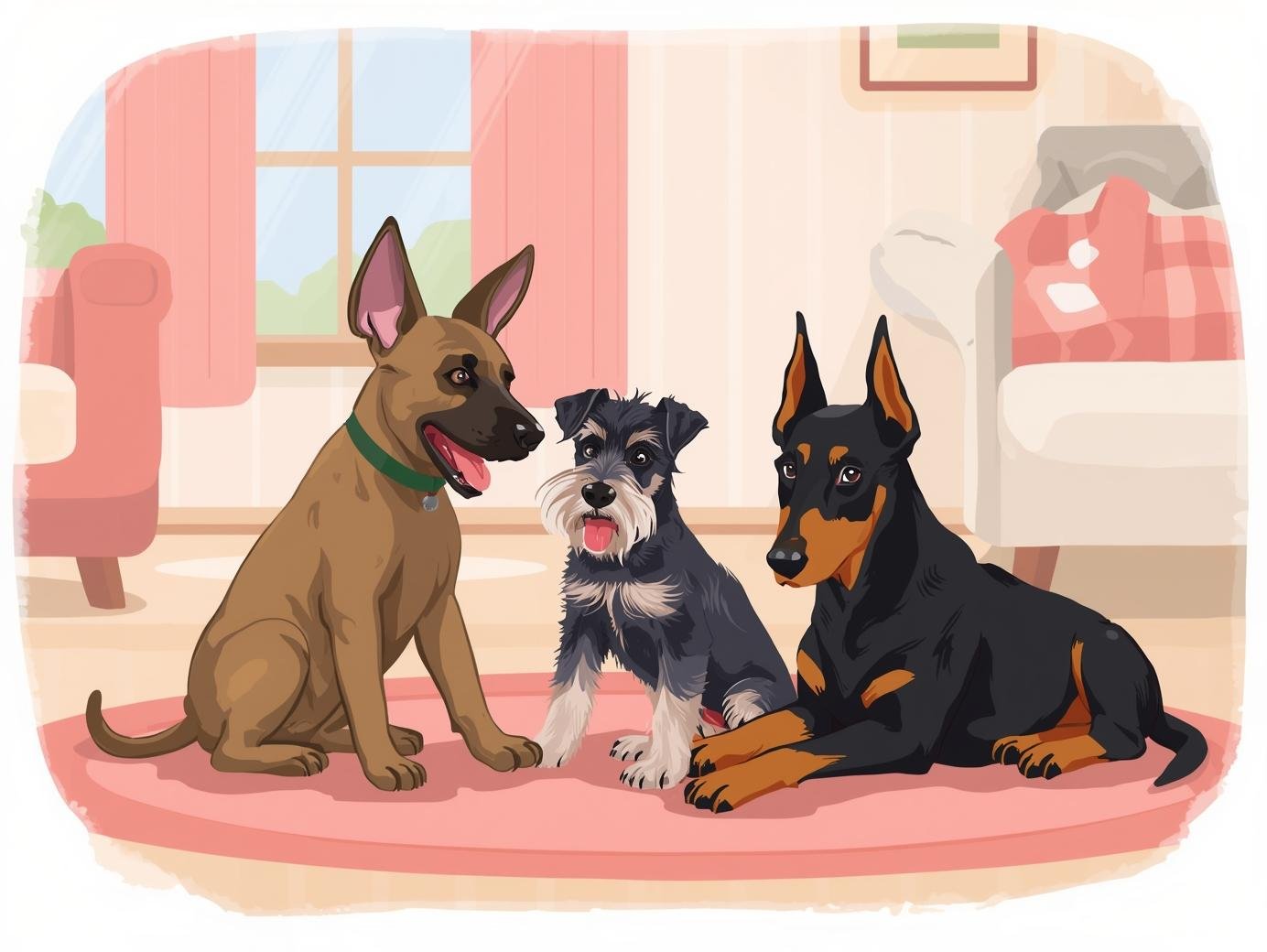
Choosing a dog is not just about appearance or popularity. It is a decision that affects daily routines, long-term responsibilities, living arrangements, and even emotional well-being. Different dog breeds have been developed for different purposes, and those original roles still influence how they behave today.
Some dogs thrive in active, structured environments, while others are better suited to calmer homes and predictable routines. When people compare powerful working dogs with alert companions and protective guardians, it becomes essential to understand the differences beyond surface traits. Energy levels, intelligence, social needs, training demands, and compatibility with family life all play a role in determining whether a specific breed is the right fit.
This article explores the key differences between three very distinct dog types, helping future owners make informed, responsible choices that align with their lifestyle, experience, and expectations.
Modern dog ownership often involves balancing affection with responsibility. A dog that is perfect for one household may struggle in another if its needs are not fully met. That is why understanding breed-specific traits is critical.
Dogs are not interchangeable; each breed brings its own strengths, challenges, and care requirements. Some demand constant mental stimulation and physical work, others prefer routine and companionship, while some require confident leadership and advanced training.
By examining these breeds through multiple perspectives—behavioral tendencies, home suitability, training difficulty, and long-term care—you gain a clearer picture of what daily life with each dog truly looks like.
Belgian Malinois Puppy: High-Drive Intelligence and Working Instincts
A belgian malinois puppy represents one of the most intense and capable working dog profiles in the canine world. Originally bred for herding and later refined for police, military, and protection roles, this breed is known for extreme intelligence, stamina, and focus. From a very young age, Malinois puppies display alertness, curiosity, and an eagerness to engage with tasks.
They learn commands quickly, but this intelligence comes with a strong need for structure, leadership, and purpose. Without proper training and outlets for their energy, these dogs can develop behavioral problems such as anxiety, destructiveness, or excessive reactivity. They are not passive companions; they are partners that require daily engagement, problem-solving activities, and consistent discipline.
The Malinois thrives in environments where training is ongoing and expectations are clear. They respond best to experienced owners who understand canine behavior and are prepared to invest time in mental stimulation, obedience work, and physical exercise. Long walks alone are not enough; this breed needs advanced training, agility, scent work, or task-based activities to remain balanced.
While they can form strong bonds with their families, they are often reserved with strangers and require early socialization to prevent over-protectiveness. Their loyalty is intense, and when properly guided, they become incredibly reliable companions. However, in households without structure or sufficient activity, their energy can become overwhelming.
In family settings, this breed demands careful consideration. They are not naturally suited for very young children unless properly trained and supervised, as their herding instincts and high arousal levels can lead to unintentional roughness.
Apartment living is possible only with exceptional commitment to exercise and training. For individuals seeking a dog that is more than a pet—one that feels like a job partner or working teammate—the Belgian Malinois can be deeply rewarding.
But for first-time dog owners or those seeking a relaxed companion, this breed may prove too demanding.
Miniature Schnauzer: Alert Companion with Balanced Energy
The miniature schnauzer offers a completely different experience, combining intelligence with manageability and adaptability. Originally bred as a farm dog for guarding and pest control, this breed has evolved into a popular companion known for its alert nature, loyalty, and expressive personality.
Unlike high-drive working dogs, the Miniature Schnauzer balances energy with an ability to settle indoors, making it suitable for a wide range of households. It is known for being highly attentive to its environment, often acting as a natural watchdog without the aggression associated with guard breeds.
This breed excels in family environments, including homes with children, provided early socialization is in place. Miniature Schnauzers tend to be friendly, confident, and eager to please, which makes training relatively straightforward compared to more intense working breeds.
They respond well to positive reinforcement and enjoy learning commands, tricks, and routines. Their moderate energy level means they benefit from daily walks and playtime but do not require constant physical exertion to remain calm and content.
One of the defining characteristics of this breed is its adaptability. It can live comfortably in apartments, suburban homes, or larger spaces as long as its basic exercise and mental needs are met.
Grooming is a more significant commitment due to their distinctive coat, which requires regular trimming and maintenance. However, many owners appreciate the lower shedding and structured appearance that comes with proper grooming.
Socially, Miniature Schnauzers enjoy being close to their people and can develop separation anxiety if left alone for long periods, making them better suited to households where someone is often present.
From a personality standpoint, this breed strikes a balance between independence and affection. It is confident without being dominant, alert without being aggressive, and playful without being overwhelming.
For owners seeking a dog that fits well into everyday life without requiring advanced handling skills, the Miniature Schnauzer represents a practical and rewarding choice.
Doberman Puppy: Protective Instincts with Elegant Power
A doberman puppy introduces a blend of strength, loyalty, and emotional sensitivity that sets this breed apart. Developed as a personal protection dog, the Doberman is known for its strong attachment to its owner and its natural guarding instincts. From an early age, Doberman puppies show attentiveness, confidence, and a desire to stay close to their people.
Unlike breeds that operate independently, Dobermans are highly people-oriented and often described as “velcro dogs” because of their need for constant connection.
Training is essential with this breed, but unlike high-drive working dogs, Dobermans tend to be emotionally responsive and eager to please. They thrive under calm, confident leadership and respond best to consistent, structured training that builds trust rather than fear.
When properly socialized, Dobermans can be gentle with children and respectful toward other pets, but they require clear boundaries and early exposure to different environments. Without guidance, their protective instincts may become excessive, leading to guarding behaviors that are difficult to manage.
Exercise requirements for Dobermans are significant but more balanced compared to extreme working breeds. They need daily physical activity combined with mental stimulation, but they also value downtime with their family.
Unlike independent breeds, Dobermans do not tolerate isolation well and may develop anxiety if left alone for extended periods. This makes them better suited to owners who can provide companionship and engagement throughout the day.
In terms of living space, Dobermans adapt well to homes with room to move, but they can live in apartments if exercise needs are met. Their short coat makes grooming simple, but it also means they are sensitive to extreme temperatures and need climate-appropriate care.
For owners seeking a protective yet emotionally connected dog, the Doberman offers a powerful combination of loyalty, intelligence, and presence.
Comparing Temperament and Energy Levels
When comparing these three breeds, temperament and energy levels reveal the most striking differences. The Belgian Malinois operates at a consistently high intensity, requiring daily challenges and structured work.
The Miniature Schnauzer maintains moderate energy with bursts of alertness and playfulness, making it easier to integrate into standard routines. The Doberman sits between the two, combining athleticism with a strong desire for companionship and emotional connection.
Energy management is critical to long-term success with any dog. A mismatch between a breed’s energy level and the owner’s lifestyle often leads to frustration on both sides.
High-energy dogs placed in low-activity homes frequently develop behavioral problems, while low-energy dogs in highly active environments may become stressed. Understanding where each breed falls on this spectrum allows owners to choose responsibly.
Training Difficulty and Owner Experience
Training requirements vary significantly among these breeds. The Belgian Malinois demands advanced training skills, consistency, and confidence from its owner. This breed challenges inexperienced handlers and thrives only when mental stimulation is part of daily life. The Miniature Schnauzer is far more forgiving, responding well to basic obedience training and family-oriented routines.
The Doberman requires structured training but is emotionally responsive, making it suitable for owners willing to commit to proper guidance without needing professional-level handling skills.
Owner experience plays a major role in success. First-time dog owners may find the Miniature Schnauzer the easiest to manage, while experienced handlers looking for a challenge may gravitate toward the Malinois or Doberman.
Family Compatibility and Living Environment
Family dynamics also influence breed suitability. The Miniature Schnauzer adapts well to households with children and other pets when properly socialized.
Dobermans can be excellent family dogs but require supervision and consistent leadership. Belgian Malinois are best suited for adult households or experienced families that understand working dog behavior.
Living space matters, but daily routine matters more. All three breeds can adapt to different environments if their physical and mental needs are met.
However, neglecting those needs leads to stress and behavioral issues regardless of space.
Long-Term Commitment and Lifestyle Alignment
Each of these breeds represents a different long-term commitment. The Malinois requires ongoing training and engagement for life. The Doberman requires emotional presence and leadership.
The Miniature Schnauzer requires companionship and routine. Choosing the right breed means aligning expectations with reality, not just choosing based on appearance or reputation.
Making the Right Choice
Understanding the differences between these breeds empowers future owners to make ethical, informed decisions. Dogs thrive when their needs are met, and the right match leads to years of loyalty, trust, and companionship.
Whether one seeks a driven working partner, a balanced family companion, or a loyal protector, the key lies in choosing with awareness, preparation, and respect for the breed’s nature.