Best Healthy Food for Dogs: A Complete Guide for Owners 2026

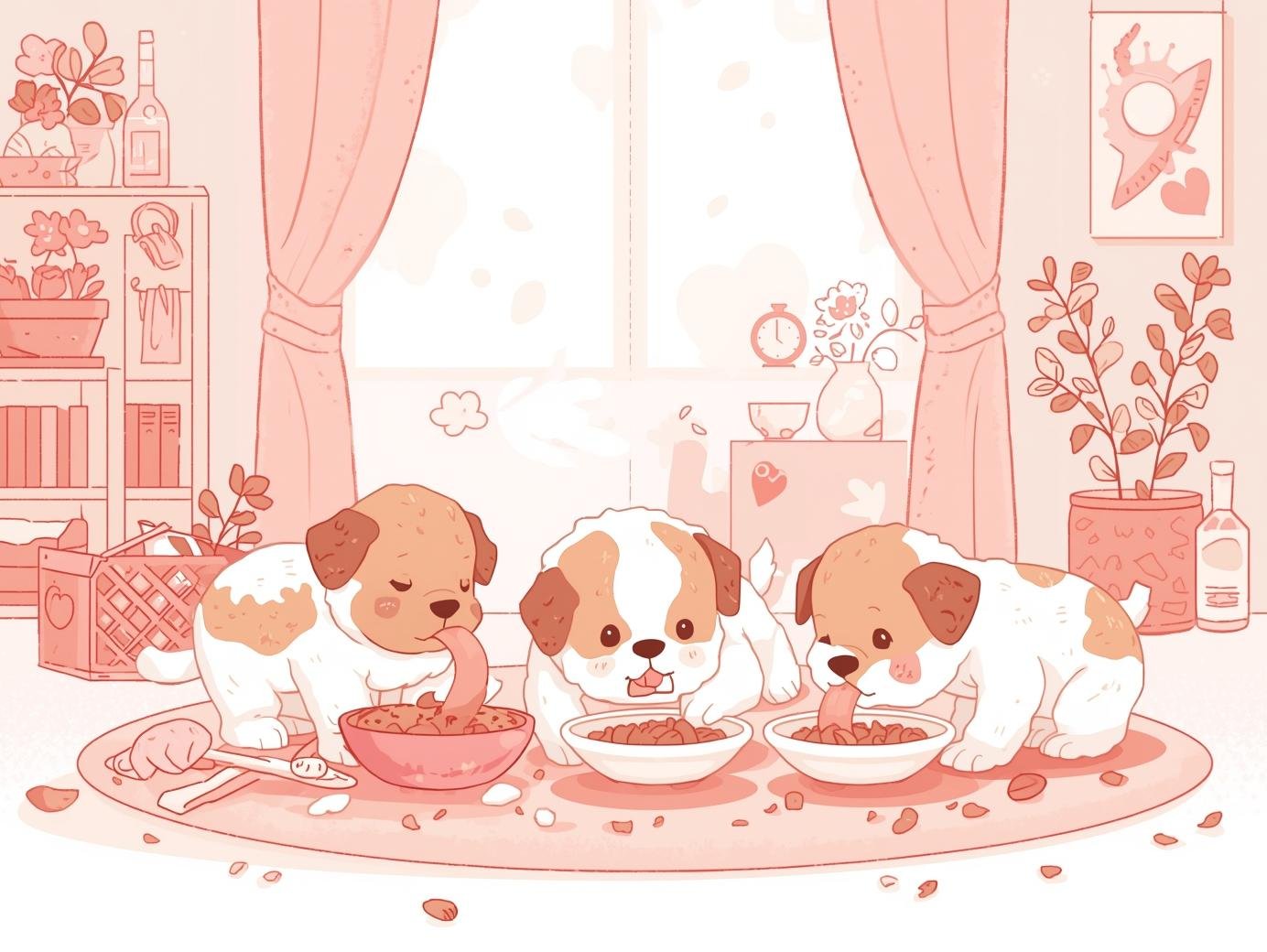
Feeding a dog the right healthy food is one of the most important responsibilities of pet ownership. Dogs need balanced nutrition to grow properly, stay active, and avoid many health problems. Good food supports strong bones, healthy skin, good digestion, and a long life.
Healthy dog food is not only about taste. It is about providing the correct mix of protein, fat, vitamins, and minerals. Dogs have different nutritional needs depending on breed, age, size, and lifestyle. What works for a small puppy may not work for a large adult dog. Climate also matters, especially in warm places like the UAE, where hydration and digestion can change.
This article explains what healthy food means for dogs, what ingredients matter, what foods to avoid, and how to build the best diet for different dog breeds and life stages.
Dogs for Sale UAE: Why Nutrition Should Be Your First Question
When people search for dogs for sale in uae they often focus on breed, appearance, and price. But the most important question should be: what will this dog eat every day? Nutrition is the foundation of dog health. The wrong food can lead to obesity, allergies, weak bones, digestive problems, and even serious disease.
New owners should understand that the cost of food is part of the long-term cost of owning a dog. High-quality dog food may be more expensive, but it reduces medical problems later. Cheap food may contain fillers, artificial ingredients, and low-quality protein.
In the UAE, climate also affects nutrition. Dogs may need more water and lighter meals during hot months. Owners should choose food that supports hydration and energy without causing heavy digestion.
Before bringing any dog home, owners should plan feeding routines, food type, and veterinary support. Healthy food is not a luxury. It is a basic need.
Toy Poodle Puppies: Best Diet for Small Growing Dogs
toy poodle puppies are small, intelligent, and sensitive dogs. Because of their tiny size, they need carefully balanced nutrition. Puppies grow fast, so their food must support bone development, brain growth, and a strong immune system.
Toy Poodle puppies usually need puppy-specific food with high-quality protein and healthy fat. Small-breed puppy kibble is designed with smaller pieces that are easy to chew. Puppies also need more frequent meals than adult dogs, often three to four meals per day.
Because Toy Poodles are small, low blood sugar can be a risk. Regular feeding and healthy snacks help prevent weakness. Owners should avoid giving human food, as it can upset digestion quickly.
Water is also important. Puppies must always have access to fresh clean water, especially in warm climates. With proper food, Toy Poodles grow into healthy, active adult dogs.
Cavalier King Charles Puppy for Sale: Gentle Breed, Sensitive Stomach Needs
A cavalier king charles puppy for sale is often chosen because of its gentle personality and loving nature. Cavaliers are friendly family dogs, but they can have sensitive digestion and may develop food allergies if fed poorly.
Healthy food for Cavaliers should include clean protein sources like chicken, turkey, or fish. Avoid foods with too many artificial flavors or fillers. Cavaliers also need omega-3 fats for coat health and heart support.
Because Cavaliers are prone to weight gain, portion control is important. Owners should avoid too many treats and focus on balanced meals. Feeding schedules help prevent overeating.
Cavalier puppies need puppy food until at least 12 months. After that, adult food should be introduced gradually. A healthy diet supports long life and reduces breed-related health risks.
What Makes Dog Food Healthy?
Healthy dog food for contains balanced nutrition. Dogs need protein for muscles, fat for energy, carbohydrates for digestion, and vitamins for immunity.
Quality ingredients matter more than marketing. Real meat should be the first ingredient. Artificial colors and chemicals should be avoided.
Healthy food supports energy and long-term wellness.
you can know more about Belgian Malinois Price
Protein: The Most Important Ingredient
Protein is essential for muscle growth and repair. Puppies need higher protein levels than adults.
Good protein sources include chicken, lamb, fish, and beef. Poor sources include meat by-products.
Protein supports strength and immune health.
Healthy Fats and Coat Health
Fats provide energy and support skin and coat. Omega-3 and omega-6 fats are very important.
Fish oil is a good source. Healthy fats improve brain function and reduce inflammation.
Too much fat, however, can cause obesity.
Carbohydrates: Energy and Fiber
Carbohydrates provide energy and support digestion. Good carbs include rice, oats, and sweet potatoes.
Fiber helps stool quality and gut health.
Avoid excessive fillers like corn or soy.
Vitamins and Minerals
Vitamins support immunity, vision, and bone health. Minerals support teeth and organs.
Balanced commercial food includes needed nutrients.
Home diets often lack balance without expert help.
Wet Food vs Dry Food
Dry kibble supports dental health and is easy to store. Wet food is more hydrating and tasty.
Some dogs benefit from mixed feeding.
Choose based on breed needs and vet advice.
Homemade Food: Is It Safe?
Homemade food can be healthy only if balanced properly. Many owners make mistakes with salt, spices, or missing nutrients.
Vet-approved recipes are necessary.
Never feed harmful foods like onion or chocolate.
Foods Dogs Should Avoid
Some foods are toxic. Chocolate, grapes, onions, garlic, and xylitol are dangerous.
Fatty leftovers can cause pancreatitis.
Human snacks are not dog-safe.
Feeding Schedule by Age
Puppies need frequent meals. Adults usually eat twice a day. Seniors may need softer food and smaller portions.
Routine improves digestion.
Feeding at the same time daily helps stability.
Healthy Treats and Rewards
Treats should be limited to 10% of daily calories. Dog-safe treats like small biscuits or carrot pieces are good.
Avoid sugary or salty treats.
Treats should not replace meals.
Hydration in UAE Climate
Dogs in the UAE need more water. Heat increases dehydration risk.
Always provide clean water.
Wet food can help hydration.
Weight Control and Portion Size
Obesity shortens lifespan. Portion control is key.
Use measuring cups, not guessing.
Regular vet weight checks help.
Food Allergies and Sensitivities
Some dogs develop allergies to chicken, grains, or additives.
Symptoms include itching and stomach upset.
Hypoallergenic diets may be needed.
Gut Health and Probiotics
Healthy digestion improves immunity. Some foods include probiotics for gut support.
Yogurt is not always safe for dogs.
Choose vet-approved options.
Choosing Food for Small vs Large Breeds
Small breeds need higher calorie density. Large breeds need joint-support formulas.
Breed size affects nutrient needs.
Large puppies require controlled growth diets.
Senior Dog Nutrition
Older dogs need joint support, lower calories, and easier digestion.
Soft food may help dental issues.
Vet guidance is important.
Reading Dog Food Labels
Look for real meat first. Avoid artificial additives.
Guaranteed analysis shows nutrient percentages.
Quality brands provide clear ingredients.
Common Feeding Mistakes
Overfeeding, too many treats, sudden diet changes, and giving table scraps are common mistakes.
Consistency prevents stomach upset.
Healthy routines protect long-term health.
Transitioning to a New Food
Switch food slowly over 7–10 days. Mixing old and new food prevents diarrhea.
Sudden change causes stress.
Patience is key.
Vet Advice and Regular Monitoring
Veterinarians help choose the best diet. Regular checkups prevent nutrition-related problems.
Professional advice beats guessing.
Nutrition is medical care.
Healthy Food Means Healthy Life
Feeding your dog healthy food is one of the most powerful ways to show love. Good nutrition supports growth, energy, and long life. Whether you own a small Toy Poodle or a gentle Cavalier, diet matters every day.
Healthy food creates happy dogs and happy families.