

Do Dogs Get Jealous? Dog Behavior Guide for UAE Owners

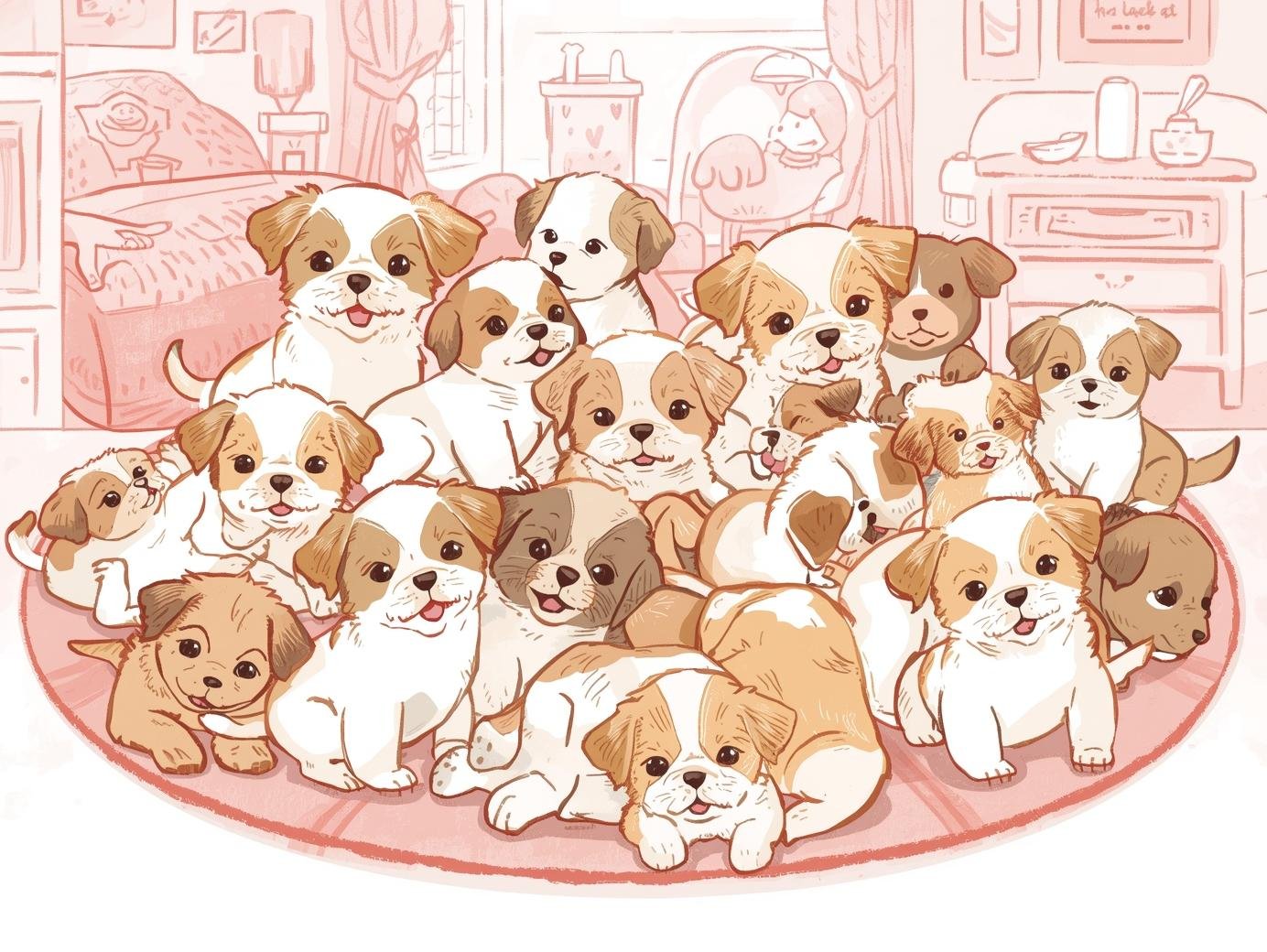
Do Dogs Feel Jealous? This question often appears when people live with more than one dog or bring new experiences into the home, whether they share life with a belgian malinois dog, an active alaskan husky, or playful dalmatian puppies. Dogs react strongly to attention, routine, and relationships, which makes many owners believe that dogs can feel jealousy just like humans. To understand this behavior, we must first understand how dogs feel emotions and how they express them in daily life.
Dogs are emotional animals, but their emotions are simpler than human emotions. Dogs do not think in complex ways like people do, but they react strongly to changes around them. When dogs feel that attention, love, or resources are taken away, they may show behaviors that look like jealousy. These behaviors are usually about insecurity, fear of losing attention, or confusion, not anger or revenge.
This article explains whether dogs feel jealousy, how this behavior looks, and why it happens. It also explains how different breeds may show jealousy in different ways and how owners can manage and prevent jealousy through understanding and training.
Belgian Malinois Dog: Strong Attachment and Protective Feelings
The belgian malinois dog is known for strong loyalty, intelligence, and deep attachment to its owner. Because of this close bond, Malinois dogs often react strongly to changes in attention. When their owner gives attention to another dog or person, a Malinois may show behaviors that look like jealousy.
These dogs may try to stand between their owner and another dog, push their head into the owner’s hand, or bark to regain attention. This behavior does not mean the dog feels jealousy in a human way. It means the dog feels a strong need to protect its bond and routine.
Belgian Malinois dogs are very sensitive to emotions and body language. If the owner feels stressed or distracted, the dog may react more strongly. Training and structure are very important for this breed. Clear rules help the dog feel secure.
Mental stimulation also helps reduce jealousy-like behavior. When Malinois dogs are busy with tasks, training, or play, they feel more confident and calm. This reduces attention-seeking behavior.
Alaskan Husky: Energy, Social Behavior, and Emotional Reactions
The alaskan husky is a social and energetic dog that usually enjoys being part of a group. Huskies often live and work with other dogs, which helps them develop social skills. However, they can still show jealousy-like behavior in home environments.
Alaskan Huskies may react when attention shifts suddenly. They may howl, jump, or try to join interaction when the owner focuses on someone else. This behavior is often playful but can become disruptive if not guided properly.
Huskies are known for strong personalities. They like to be involved in everything. When they feel left out, they may create noise or act silly to regain attention. This is not true jealousy, but a reaction to feeling excluded.
Providing equal attention, exercise, and mental stimulation helps Huskies stay balanced. Because they have high energy, boredom can increase attention-seeking behavior. Structured routines and group activities help reduce emotional stress.
Dalmatian Puppies: Learning Emotions and Attention From Early Age
dalmatian puppies are energetic, curious, and emotionally expressive. As puppies, they are still learning how the world works. When Dalmatian puppies see their owner giving attention to another dog or person, they may react strongly.
Puppies may bark, jump, or try to push between their owner and another animal. This behavior is part of learning. Puppies do not understand sharing or patience yet. They learn through experience and guidance.
At this stage, it is very important not to punish the puppy. Punishment can increase fear and confusion. Instead, owners should teach calm behavior and reward patience. Over time, puppies learn that attention comes back and that they are safe.
Early training helps puppies grow into emotionally balanced adults. Teaching basic commands like sit and wait helps puppies control impulses and reduces jealousy-like reactions.
What Is Jealousy in Dogs?
Jealousy in dogs is not the same as jealousy in humans. Dogs do not feel complex emotions like resentment. Instead, dogs react to changes in attention, routine, and resources.
When dogs feel uncertain or insecure, they try to protect what they value. This may look like jealousy, but it is really a response to stress or fear of loss.
Understanding this difference helps owners respond with patience instead of punishment.
Scientific Studies on Dog Emotions
Research shows that dogs can show jealousy-like behavior. Studies found that dogs react when their owners show affection to another dog or object. Dogs may try to interrupt or seek attention.
However, scientists explain that this behavior is based on attachment and resource guarding, not complex jealousy. Dogs protect relationships that feel important to them.
Science supports what owners observe, but it also reminds us that dog emotions are simple and direct.
Common Signs of Jealousy-Like Behavior
Dogs as Rottweiler Puppy for Sale may bark, push, growl softly, or try to get between their owner and another animal. Some dogs may ignore commands or act restless.
These signs mean the dog feels uncertain, not angry. Owners should respond calmly.
Why Some Dogs Show More Jealousy Than Others
Breed personality, past experiences, and training all affect emotional reactions. Dogs with strong attachment may show more attention-seeking behavior.
Dogs that experienced neglect may fear losing attention more strongly.
How Environment Affects Dog Emotions
Busy homes with many people and pets create more emotional challenges. Dogs need routine and clarity.
Calm environments reduce stress and jealousy-like behavior.
Role of Training in Managing Jealousy
Training teaches dogs how to behave calmly. Commands like sit, stay, and wait help dogs control impulses.
Positive reinforcement builds confidence and trust.
Importance of Equal Attention
Owners should try to give equal attention to all dogs. Even short moments of connection help dogs feel secure.
Consistency is more important than quantity.
Introducing New Pets the Right Way
New pets should be introduced slowly. Sudden changes cause stress.
Gradual introductions help dogs adapt emotionally.
Jealousy Between Dogs and Children
Dogs may react when babies or children receive attention. This is common and manageable.
Supervision and training are essential for safety.
Preventing Jealousy Before It Starts
Strong routines, training, and mental stimulation prevent emotional problems.
A confident dog is less likely to feel insecure.
What Not to Do
Do not punish jealousy-like behavior. Do not shout or isolate the dog.
Negative reactions increase fear.
When to Ask for Professional Help
If behavior becomes aggressive or dangerous, professional help is needed.
Early support prevents serious problems.
Emotional Growth Over Time
As dogs mature, emotional reactions often become calmer. Experience builds confidence.
Patience supports healthy emotional development.
Dogs Feel Attachment, Not Human Jealousy
Dogs form strong attachments. Protecting these attachments creates behavior that looks like jealousy.
Understanding this helps owners respond with kindness.
How Owners’ Emotions Affect Dogs
Dogs sense human emotions. Stress and tension increase dog anxiety.
Calm owners create calm dogs.
Understanding Dogs Creates Better Relationships
Dogs may not feel jealousy like humans, but they do feel attachment, insecurity, and the need for attention. These emotions are natural and manageable. Understanding dog behavior helps owners build stronger, healthier relationships.
With patience, training, and love, dogs feel secure and confident. Emotional understanding is the key to a happy life with dogs.
Find puppies near me