

Why Do Dogs Wag Their Tails? Behavior Guide for Golden Retriever Puppy, Cocker Spaniel, and King Charles Dog

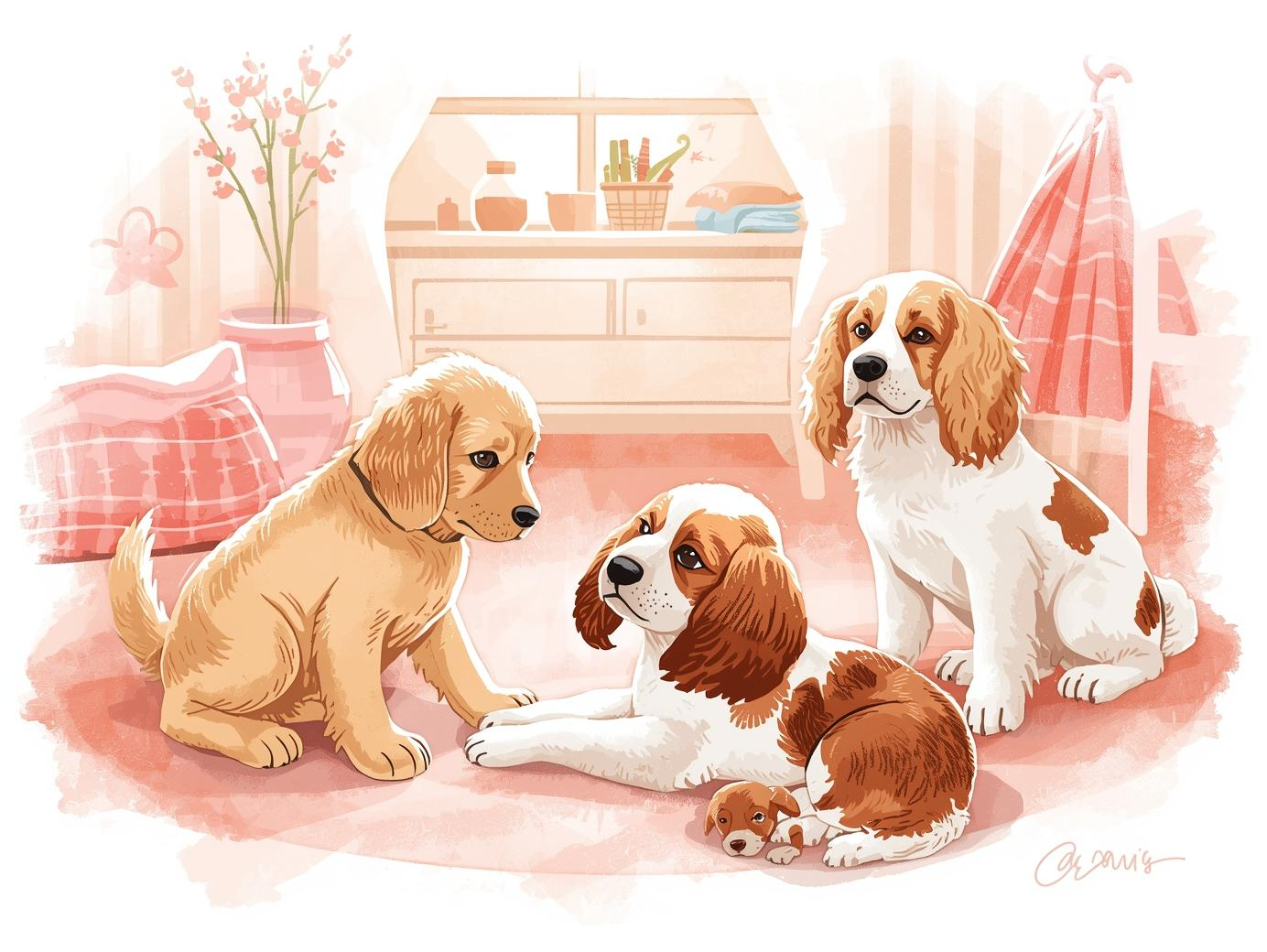
Many dog owners ask a simple but interesting question: Why Do Dogs Wag Their Tails? This question often comes up when people watch a golden retriever puppy wag its tail happily, see the gentle reaction of an american cocker spaniel, or notice how a king charles dog moves its tail in calm and soft ways. Tail wagging is one of the most common dog behaviors, but it does not always mean the same thing. Dogs use their tails to communicate emotions, intentions, and reactions to the world around them.
Dogs cannot speak, so they use body language to communicate. The tail is one of the strongest tools they have. Tail movement can show happiness, excitement, fear, stress, or even warning. Understanding tail wagging helps owners know what their dog is feeling and how to respond correctly.
This article explains why dogs wag their tails , what different tail movements mean, and how breed, age, and environment affect tail behavior. Learning this helps owners build better relationships with their dogs and avoid misunderstandings.
Golden Retriever Puppy: Happy Wags and Friendly Signals
A golden retriever puppy is famous for its friendly and joyful tail wagging. When this puppy wags its tail, it is often a sign of happiness, excitement, and friendliness. Golden Retrievers are social dogs that love people, play, and attention. Their tail wagging is usually wide, fast, and relaxed.
When a Golden Retriever puppy sees its owner, meets new people, or gets ready to play, the tail often moves side to side in a big motion. This kind of wag means the puppy feels safe and happy. The whole body may move with the tail, showing excitement.
However, even for friendly puppies, tail wagging does not always mean joy. If the tail is low and moving slowly, the puppy may feel unsure or nervous. Puppies are still learning about the world, so their tail movements can change quickly.
Owners should look at the whole body, not just the tail. Relaxed ears, soft eyes, and loose posture usually mean positive emotions. Understanding these signs helps owners respond with care and confidence.
American Cocker Spaniel: Emotional Wags and Sensitivity
The american cocker spaniel is an emotional and sensitive breed. This dog often uses tail wagging to show feelings clearly. Cocker Spaniels are gentle and affectionate, and their tail movements often reflect their emotional state.
When a Cocker Spaniel feels happy or loved, the tail may wag softly and steadily. This shows comfort and trust. When meeting familiar people, the wag is often gentle, not fast or wild. This breed enjoys calm interaction.
If a Cocker Spaniel feels anxious or unsure, the tail may wag lower and slower. Sometimes, the dog may wag its tail while also showing stress signs like yawning or avoiding eye contact. This can confuse owners who think wagging always means happiness.
For this breed, emotional connection matters. Calm voices, gentle touch, and routine help create positive tail signals. Owners who understand emotional tail wagging can support their dog better and reduce stress.
King Charles Dog: Calm Communication Through Tail Movement
The king charles dog is known for its calm and loving nature. Tail wagging in this breed is often soft and controlled. This dog does not usually wag its tail wildly. Instead, it uses small movements to communicate comfort and affection.
When a King Charles dog sits next to its owner or enjoys gentle attention, the tail may move slowly from side to side. This shows trust and contentment. The wag is often paired with relaxed breathing and calm posture.
If the dog feels unsure or uncomfortable, the tail may stop moving or stay low. This is a signal that the dog needs space or reassurance. Because this breed is sensitive, loud environments or sudden changes can affect tail behavior.
Understanding these gentle signals helps owners respect boundaries and build a strong emotional bond. Quiet communication is important for this breed.
The Science Behind Tail Wagging
Tail wagging is controlled by the dog’s nervous system. When a dog feels emotion, the brain sends signals to muscles in the tail. Different emotions create different movements.
Studies show that dogs may wag their tails more to the right side when feeling positive emotions and more to the left side when feeling stressed. This shows that tail wagging is not random but linked to emotional processing.
Dogs also read each other’s tail movements. Tail wagging is a social signal that helps dogs communicate with other dogs.
Different Types of Tail Wags and Their Meaning
Not all tail wags are the same. Fast and wide wagging usually means excitement. Slow wagging can mean uncertainty. High tail position may show confidence. Low tail position may show fear.
A stiff tail wag can be a warning. This is important to recognize for safety. Owners should always look at the whole body.
Tail Position Matters More Than Speed
Where the tail is held is very important. A high tail often shows alertness or confidence. A low tail shows submission or fear.
Speed alone does not tell the full story.
Puppies vs Adult Dogs
Puppies wag their tails more randomly because they are learning. Adult dogs have more controlled tail movements.
As dogs grow, their communication becomes clearer.
Breed Differences in Tail Wagging
Some breeds wag more than others. Friendly breeds wag often. Independent breeds wag less.
Tail shape and length also affect how wagging looks.
Emotional States That Cause Tail Wagging
Happiness, excitement, nervousness, fear, and alertness can all cause tail wagging. Emotion determines how the tail moves.
Understanding emotion prevents misunderstanding.
Tail Wagging Does Not Always Mean Friendly
A wagging tail can still mean stress or warning. Owners should never assume safety based on tail movement alone.
Body language must be read together.
How Owners Should Respond to Tail Signals
Owners should respond calmly. Positive signals can be rewarded. Stress signals should be respected.
Ignoring signals can cause problems.
Tail Wagging and Training
Training improves communication. Dogs learn to stay calm and express emotions clearly.
Positive training builds trust.
When Tail Wagging Changes Suddenly
Sudden changes may indicate pain or illness. If a dog stops wagging or shows unusual movement, a vet visit may be needed.
Observation is important.
Tail Injuries and Wagging
Tail injuries affect movement. Pain may reduce wagging.
Medical care helps recovery.
Environment and Tail Behavior
Busy environments cause stress. Calm homes create relaxed tail movements.
Routine supports emotional balance.
Social Interaction and Tail Signals
Dogs wag differently with dogs and humans. Social experience improves communication.
Socialization is important.
Understanding Tail Wagging Improves Safety
Reading tail signals prevents bites and fear. Knowledge protects both dogs and people.
Education creates safer homes.
Building Better Communication With Dogs
When owners understand tail wagging, dogs feel understood. This builds trust and calm behavior.
Communication strengthens bonds.
Tail Wagging Is a Language
Dogs wag their tails to communicate. It is a language made of movement, position, and emotion. Understanding this language helps owners connect deeply with their dogs.
A wagging tail tells a story. Learning to read it creates happier and safer relationships.