Can Dogs Eat Home Food? Nutrition Facts for Labrador, Malinois, and Doberman

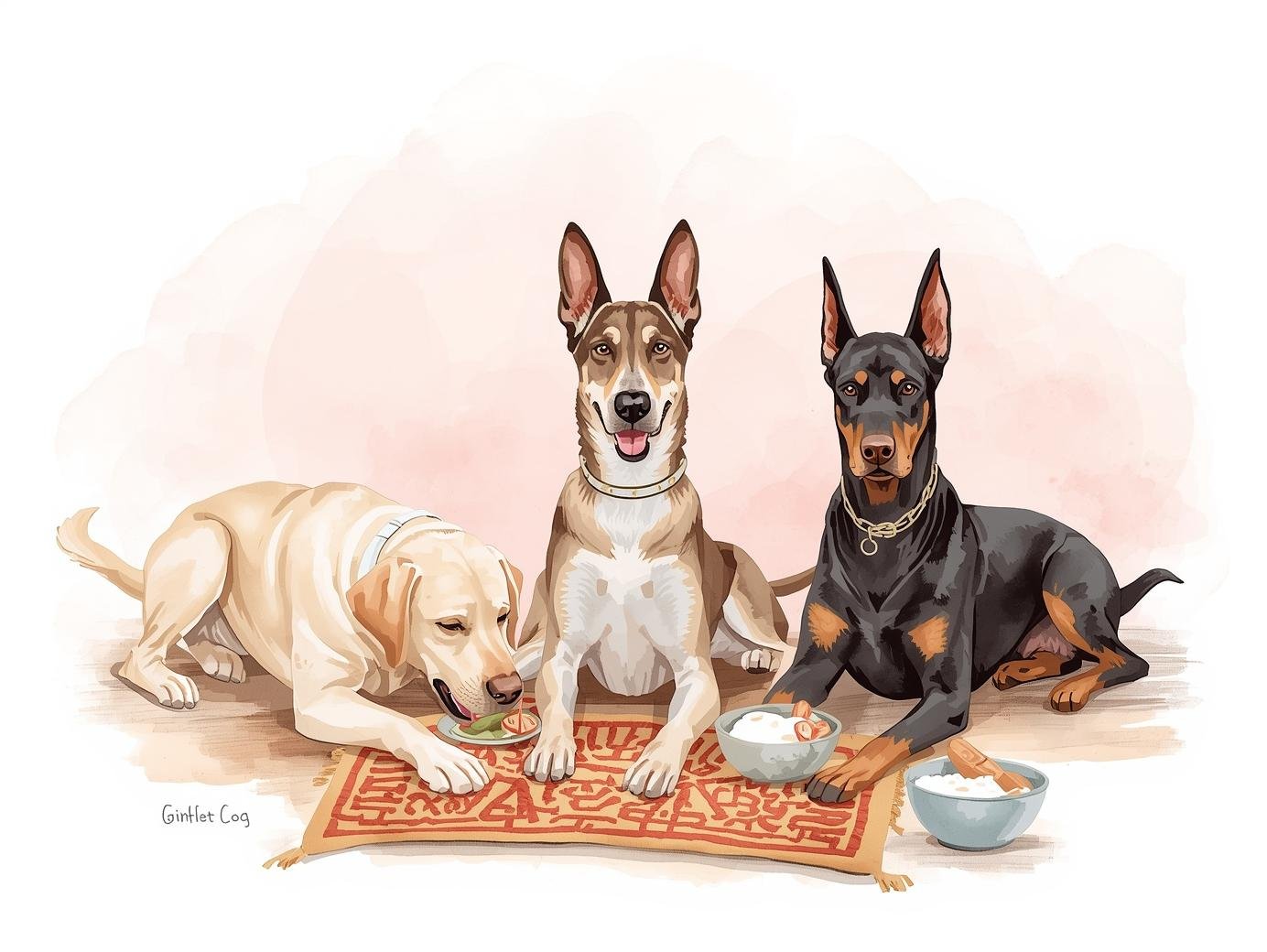
Many dog owners ask a very common question: Is Home Food Harmful for Dogs? This question becomes even more important when caring for different breeds with different needs, such as labrador retriever puppies, an active belgian malinois dog, or a sensitive brown doberman. These dogs may all live in the same home, but their bodies react very differently to human food. While sharing food may feel like love, feeding dogs home food can cause serious health problems if done without knowledge and care. Understanding how dogs digest food and why human meals can be harmful is the first step toward keeping dogs healthy and safe.
Dogs are not small humans. Their digestive systems nutritional needs, and tolerance to certain ingredients are very different. What feels normal for people, like salty meals, oily food, or seasoned meat, can slowly damage a dog’s health. Many problems caused by home food do not appear immediately. Instead, they build up over time, leading to obesity, stomach problems, joint pain, and even organ failure. This article explains the truth about home food for dogs and helps owners make better feeding choices based on science and care.
Labrador Retriever Puppies: Why Home Food Is Dangerous at a Young Age
labrador retriever puppies are famous for loving food. They often act hungry even after eating, which makes many owners believe they need more food. This behavior is natural for Labradors, but it makes them one of the breeds most at risk when fed home food. Puppies are still growing, and their bones, joints, and organs need very specific nutrition. Home food usually does not provide the right balance.
Feeding home food to Labrador puppies often leads to fast weight gain. Extra weight puts pressure on growing joints and increases the risk of hip and elbow problems later in life. Labradors are already prone to joint issues, and poor diet makes these problems worse. Fatty foods, fried meals, and leftovers can also cause stomach upset, diarrhea, and vomiting.
Another serious issue is habit building. When puppies learn that human food is available, they may refuse proper puppy food later. This creates nutritional gaps that affect growth, immunity, and brain development. Puppy food is carefully designed to support healthy development, while home food is not. For Labrador puppies, the safest choice is high-quality puppy food with controlled treats made for dogs only.
Belgian Malinois Dog: Performance, Focus, and Nutrition Risks
A belgian malinois dog is a high-energy, working breed that depends heavily on correct nutrition. This dog uses a lot of physical and mental energy every day, and poor diet directly affects performance and behavior. Feeding home food to a Belgian Malinois may seem harmless, but it often causes more damage than owners realize.
Home food usually lacks enough high-quality protein and contains too much fat or salt. For a working dog, this can result in muscle weakness, poor stamina, and slower recovery after activity. Spices, onions, garlic, and cooked bones are especially dangerous and can cause blood problems, stomach pain, or internal injuries.
Belgian Malinois dogs also need mental balance. Poor nutrition affects brain function and can lead to anxiety, restlessness, or poor focus during training. Because this breed often hides pain and discomfort, diet-related problems may go unnoticed until they become serious. For a Belgian Malinois, feeding balanced dog food is not optional. It is essential for physical health, mental stability, and long-term wellbeing.
Brown Doberman: Sensitive Digestion and Long-Term Health Risks
The brown doberman is strong, elegant, and deeply loyal, but it often has a sensitive digestive system. Many Dobermans react badly to sudden food changes or rich meals. Home food that contains oil, butter, or fried ingredients can easily upset their stomach and may lead to pancreatitis, which is a serious medical condition.
Dobermans are also sensitive to salt. Human food often contains high salt levels, which can increase stress on the heart and kidneys. This is especially dangerous because Dobermans are already at higher risk for heart-related conditions. Feeding home food regularly can increase these risks over time.
Another problem is routine. Dobermans do best with structure and consistency. Random table scraps confuse digestion and behavior. A stable diet of high-quality dog food helps keep digestion calm and supports heart health. Treats should always be dog-safe and limited. Home food should never be part of a Doberman’s daily diet.
Why Dogs Digest Food Differently Than Humans
Dogs have shorter digestive systems than humans. This means food passes through faster, giving less time to break down complex ingredients. Many foods that humans digest easily cause bloating, gas, or pain in dogs. Dogs also lack certain enzymes that humans have, making some foods toxic even in small amounts.
Chocolate affects the nervous system and heart. Onions and garlic damage red blood cells. Grapes and raisins can cause kidney failure. These foods are common in homes, which makes accidents easy. Understanding digestion differences explains why home food is risky.
Common Home Foods That Harm Dogs
Many everyday foods are dangerous for dogs. Cooked bones can splinter and cause internal bleeding. Fatty leftovers can trigger pancreatitis. Sugary foods cause weight gain and dental problems. Salty snacks cause dehydration and kidney stress.
Alcohol, caffeine, and artificial sweeteners are extremely toxic. Even small amounts can be fatal. Keeping these foods out of reach is essential for safety.
Are Any Home Foods Safe?
Some simple foods may be safe in small amounts, such as plain boiled chicken or plain rice. These are sometimes used temporarily during stomach upset, but only with veterinary advice. They should never replace complete dog food.
Even safe foods must be prepared without salt, oil, or spices. Guessing is dangerous. When in doubt, do not feed.
Behavioral Problems Caused by Home Food
Feeding from the table teaches dogs to beg, bark, or steal food. This causes stress for families and confusion for dogs. It also makes training harder, especially for intelligent breeds.
Clear rules and routines create calm behavior. Dogs feel safer when they know what to expect.
Long-Term Health Effects of Poor Diet
Over time, feeding home food can cause obesity, diabetes, joint pain, digestive disorders, and heart disease. These problems reduce quality of life and increase medical costs.
Preventing these issues through proper diet is easier and kinder than treating them later.
Why Commercial Dog Food Is Safer
Good-quality dog food is made to meet all nutritional needs. It contains the right balance of protein, fat, vitamins, and minerals. These foods are tested and controlled.
Most owners do not have the knowledge to prepare balanced home diets safely. Dog food removes guesswork and reduces risk.
Feeding Dogs in Hot Climates Like the UAE
In hot climates, diet matters even more. Heavy, oily food increases body heat. Dogs should eat during cooler hours and drink plenty of water.
Balanced dog food supports hydration and digestion better than home food.
How to Stop Feeding Home Food Safely
If a dog is already eating home food, change slowly. Mix small amounts of dog food with the old diet over several days. Sudden changes cause stomach upset.
Consistency and patience usually work.
Teaching Family Members the Rules
All family members should understand that home food is not dog food. Children should not feed dogs from the table. Clear rules prevent accidents.
Education protects dogs and builds responsibility.
Safe Treats and Rewards
Dogs enjoy treats, but treats should be made for dogs. Training treats, dental chews, and healthy dog snacks are better options.
Treats should never replace meals.
Veterinary Advice and Monitoring
Veterinarians help choose the right food and monitor health. Diet questions should always be discussed with professionals.
Regular checkups catch problems early.
Is Home Food Harmful for Dogs?
In most cases, yes. Home food is harmful when given regularly or without knowledge. Dogs need nutrition designed for dogs, not humans. Feeding proper dog food is one of the best ways to show real care.
Choosing the right diet helps dogs live longer, healthier, and happier lives.