

How Many Hours Do Golden Retriever, Labrador, and Chow Chow Dogs Sleep in the UAE?

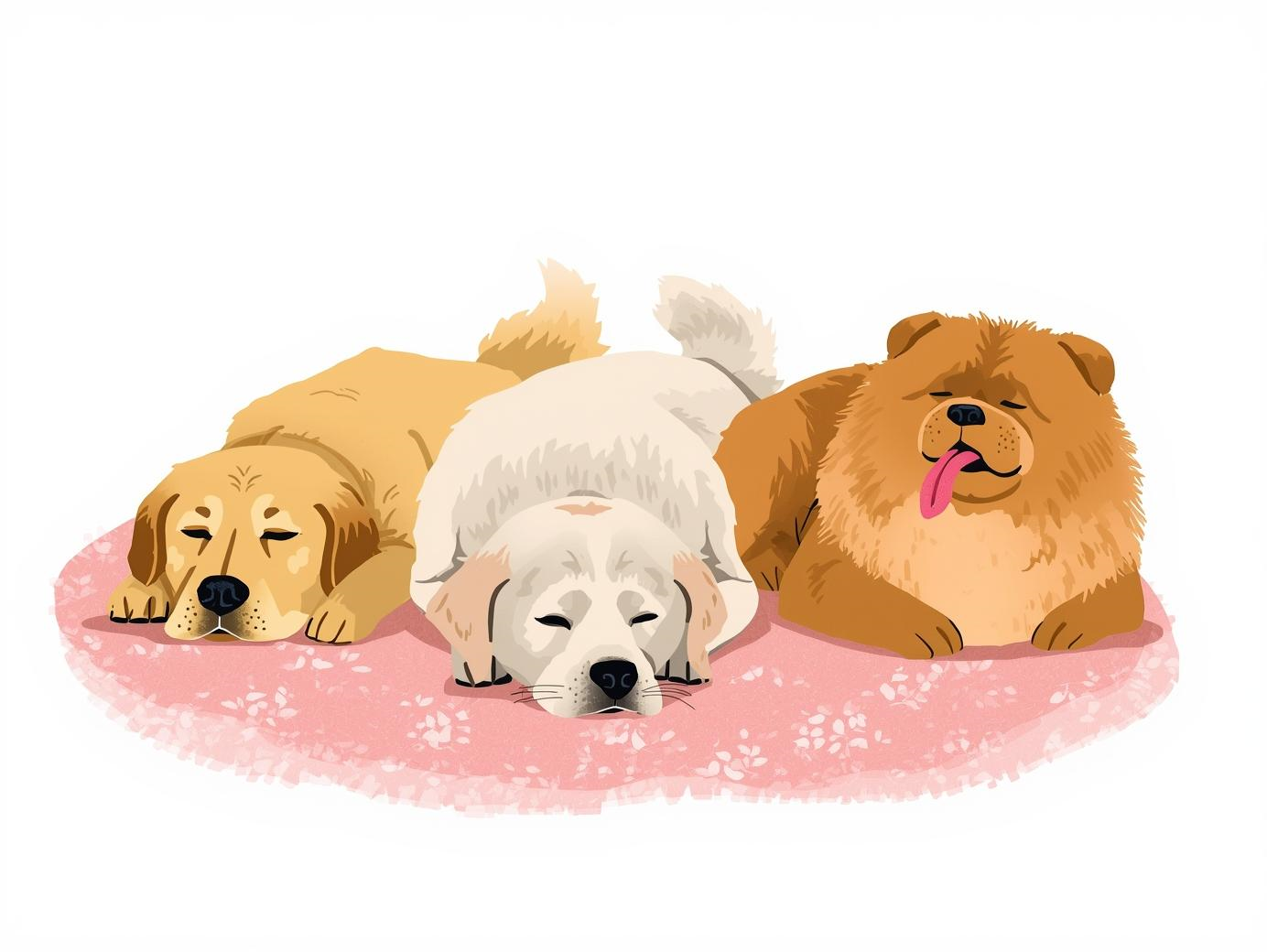
This question often appears when people raise a golden retriever puppy for the first time, care for active labrador retriever puppies, or live with a calm chow chow dog that seems to sleep most of the day. Dogs sleep much more than humans, but the number of hours depends on age, breed, size, activity level, and health. Sleep is not laziness. It is a very important part of a dog’s physical and mental health.
Dogs use sleep to grow, heal, and recharge their energy. Puppies sleep to support brain development and body growth. Adult dogs sleep to recover from daily activity. Older dogs sleep more because their bodies need extra rest. Understanding how much sleep is normal helps owners know when their dog is healthy and when something may be wrong.
This article explains how many hours dogs sleep at different life stages and why sleep needs change. It also explains how breed, lifestyle, and environment affect sleep habits and how owners can support healthy sleep routines.
Golden Retriever Puppy: Sleep Needs During Early Growth
A golden retriever puppies sleep much more than an adult dog. On average, puppies sleep between 18 and 20 hours a day. This may surprise new owners, but it is completely normal. Puppies grow very fast, and sleep supports muscle development, bone growth, and brain learning.
Golden Retriever puppies often sleep after eating, playing, or training. Short bursts of energy followed by long naps are normal. During sleep, puppies process new experiences and learn from training. Without enough sleep, puppies may become cranky, bite more, or ignore commands.
Owners should never wake a sleeping puppy just to play. Sleep is as important as food. A quiet and comfortable sleeping area helps puppies feel safe. Puppies may wake up during the night, especially in the first weeks, but they usually develop a stable sleep routine over time.
As the puppy grows, total sleep hours slowly decrease, but rest remains essential. Healthy sleep during puppyhood creates a calm and balanced adult dog.
Labrador Retriever Puppies: Energy, Play, and Sleep Balance
labrador retriever puppies are known for high energy and playful behavior, but they also need a lot of sleep. Like most puppies, Labradors sleep about 18 to 20 hours a day. Even though they seem active and excited, their bodies need long rest periods to recover.
Labrador puppies often sleep deeply after exercise. Physical activity uses a lot of energy, and sleep helps muscles recover. Mental stimulation, such as training or learning new commands, also increases sleep needs. Puppies that do not sleep enough may become overexcited or destructive.
Owners should create a daily routine that includes play, meals, training, and rest. Too much activity without rest can cause stress. Labradors enjoy routine and feel calmer when sleep times are consistent.
As Labradors grow older, sleep time slowly decreases to around 12 to 14 hours a day. However, active days still require extra rest.
Chow Chow Dog: Calm Nature and Longer Sleep Hours
The chow chow dog is known for its calm and relaxed personality. Adult Chow Chows often sleep between 14 and 16 hours a day. This breed does not enjoy constant activity and prefers quiet environments. Their sleep habits reflect their calm nature.
Chow Chows enjoy resting during the day and may sleep more in warm climates. Heat makes dogs tired, and Chow Chows are sensitive to high temperatures because of their thick coat. In hot environments, they may sleep more to conserve energy.
Owners should not confuse long sleep hours with illness. For Chow Chows, sleeping a lot is normal. However, sudden changes in sleep behavior may signal health problems. Regular routines and comfortable indoor temperatures support healthy sleep.
How Age Affects Dog Sleep
Age is one of the biggest factors in how much a dog sleeps. Puppies sleep the most. Adult dogs sleep less but still need regular rest. Senior dogs often sleep more again because of slower metabolism and joint discomfort.
Older dogs may nap more during the day and wake up more at night. Providing soft bedding and calm routines helps senior dogs rest better.
Understanding age-related sleep changes helps owners meet their dog’s needs at every stage of life.
How Breed Size Influences Sleep
Large dogs often sleep more than small dogs. Their bodies use more energy to move, so rest is important. Smaller dogs may sleep slightly less but still need many hours of rest.
Working breeds may need structured rest to avoid exhaustion. Calm breeds naturally sleep more.
Daily Activity and Sleep Quality
Dogs that exercise regularly sleep better. Physical and mental activity helps dogs relax. However, too much exercise can cause pain or stress, which affects sleep.
Balanced activity supports deep and healthy sleep.
Environment and Sleep Comfort
Dogs sleep better in calm and safe environments. Loud noise, strong lights, or constant movement can disturb sleep. Dogs need a quiet place to rest.
In hot climates, air conditioning and fresh water help dogs sleep comfortably.
Sleep and Mental Health
Sleep affects mood. Dogs that sleep well are calmer and easier to train. Lack of sleep can cause anxiety, barking, or aggression.
Good sleep supports emotional balance.
Common Sleep Patterns in Dogs
Dogs sleep in short cycles. They wake up, move, and sleep again. This is normal behavior. Dogs also dream during sleep, which may cause movement or sounds.
Dreaming is a sign of healthy brain activity.
When Sleep Changes Are a Warning Sign
Too much sleep or too little sleep can be a sign of illness. Sudden changes should be checked by a vet. Pain, stress, or sickness affect sleep patterns.
Owners should observe behavior closely.
Helping Dogs Sleep Better
Regular routines help dogs sleep well. Feeding, walking, and sleeping at the same time every day creates stability. Comfortable bedding and quiet spaces improve rest.
Avoid waking dogs without reason.
Puppies and Night Sleep
Puppies may wake up at night. This is normal at first. Over time, they learn to sleep through the night.
Patience helps build good habits.
Dogs Sleeping During the Day
Daytime naps are normal. Dogs are not lazy. They rest to stay healthy.
Day sleep supports night sleep.
Sleep and Training Success
Well-rested dogs learn faster. Training works better when dogs are not tired.
Sleep supports memory and focus.
Sleep Is a Basic Need
Dogs need sleep just like food and water. Understanding sleep needs helps owners care better for their dogs. Whether raising a playful puppy or caring for a calm adult dog, respecting sleep supports health and happiness.
Good sleep creates a balanced and happy life for dogs and their families.
You can find puppies near me