
How Much Do Dogs Sleep? Maltipoo, Labrador, and Pomeranian Guide

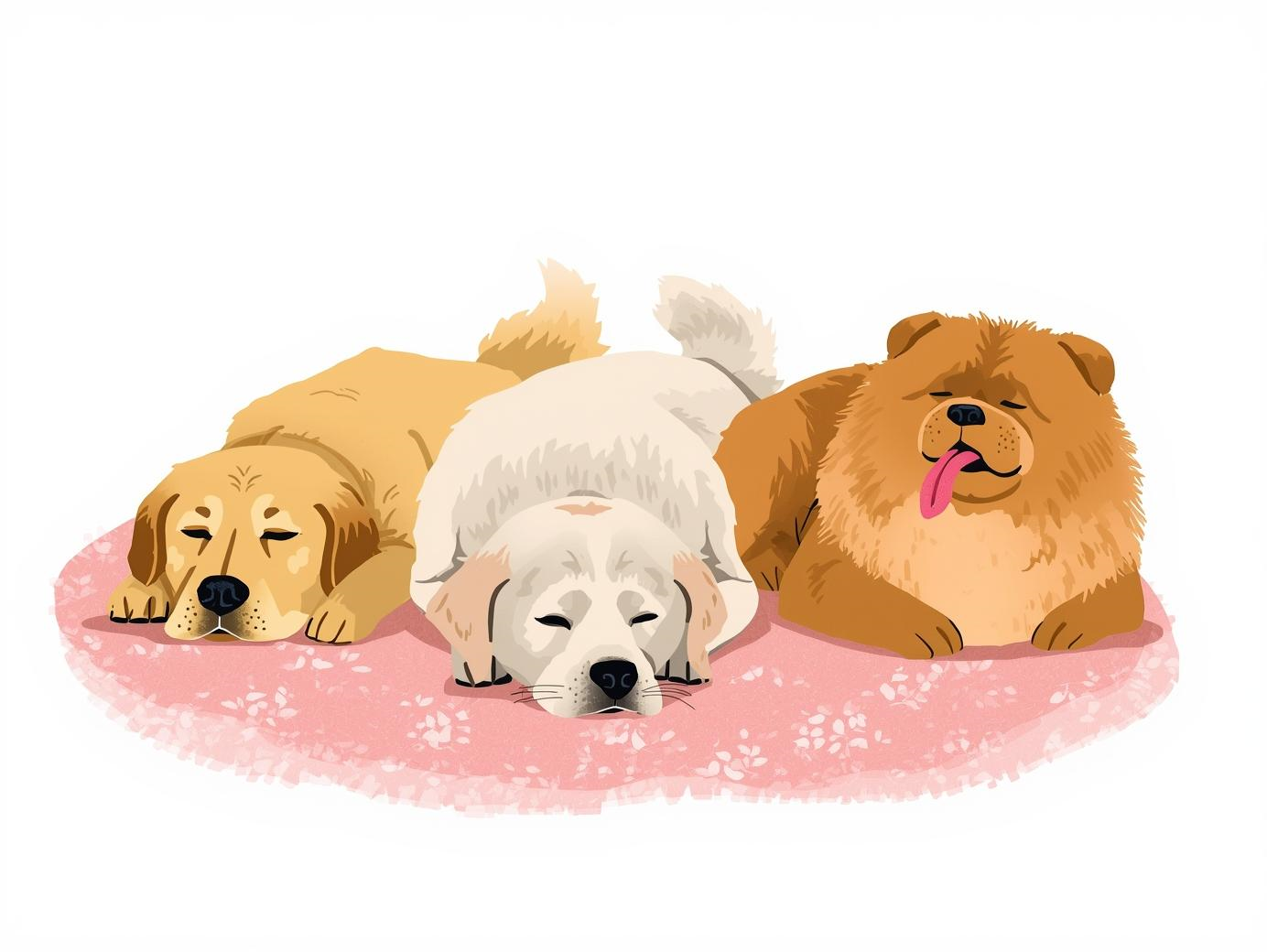
Many dog owners ask a simple but important question: How Many Hours Do Dogs Sleep and Why Sleep? This question becomes common when families compare a playful maltipoo dog, check the labrador dog price before choosing a large active breed, or search for a small pomeranian للبيع that seems to sleep most of the day. Dogs sleep much more than humans, and this is completely normal. Sleep helps dogs grow, heal, and stay emotionally balanced. The number of hours a dog sleeps depends on age, breed, size, activity level, and daily routine.
Dogs do not sleep the same way humans do. They sleep in short cycles and wake up often. Puppies sleep more than adult dogs, and senior dogs sleep more than young adults. Some breeds are naturally calm and sleep longer, while active breeds need structured rest after play and exercise.
we will explains how many hours dogs sleep and why sleep is important. It also explains how different breeds sleep differently and how owners can support healthy sleep habits.
Maltipoo Dog: Sleep Hours for Small and Playful Dogs
The maltipoo dog is a small and friendly breed that usually sleeps between 14 and 18 hours a day, depending on age. Maltipoos are a mix of Maltese and Poodle, and they are known for being playful but also very cuddly. Because they are small, their bodies use energy quickly, which means they need frequent rest.
Maltipoo puppies often sleep up to 18 or even 20 hours a day. This is because their bodies and brains are growing fast. Sleep helps them learn and process new experiences. After short play sessions, Maltipoos usually take long naps.
Adult Maltipoos sleep around 14 to 16 hours a day. They enjoy being active but also love relaxing near their owners. Because they are sensitive dogs, emotional stress can affect their sleep. Calm routines and gentle interaction help them sleep better.
In warm climates, Maltipoos may sleep more during the day and become more active in the evening. This is normal behavior and helps them stay comfortable.
Labrador Dog Price: Does Size and Energy Affect Sleep?
When people think about labrador dog price they often focus on popularity and family friendliness, but Labradors also have specific sleep needs. Labradors are large and energetic dogs, and adult Labradors usually sleep between 12 and 14 hours a day. This may seem like a lot, but their bodies need rest after activity.
Labrador puppies sleep much more, often 18 to 20 hours a day. They grow quickly, and sleep supports bone, muscle and brain development. After playing or training, puppies often fall asleep deeply.
Adult Labradors are very active. They enjoy walks, games, and training. After exercise, they need quality sleep to recover. Without enough sleep, Labradors may become overexcited, restless, or destructive.
In hot climates, Labradors may sleep more during the day to avoid heat. Owners should provide cool resting areas and avoid heavy activity during hot hours. Proper sleep helps Labradors stay calm and healthy.
Pomeranian للبيع: Sleep Patterns of Small Companion Dogs
The pomeranian للبيع is a small companion dog that often sleeps between 14 and 18 hours a day. Pomeranians are energetic and alert, but they also enjoy long rest periods. Their small size means they tire quickly and need frequent naps.
Pomeranian puppies sleep a lot, sometimes up to 20 hours a day. They wake up to eat, play, and explore, then sleep again. This cycle is normal and healthy.
Adult Pomeranians may sleep lightly and wake up easily because they are alert dogs. Even if they sleep many hours, they may wake up often to check their surroundings. This does not mean poor sleep. It is part of their natural behavior.
Because Pomeranians are sensitive to noise and change, a quiet sleeping area helps improve sleep quality. Comfortable beds and routine bedtime habits support healthy rest.
Why Dogs Sleep More Than Humans
Dogs sleep more because their energy use is different. Dogs rely on bursts of activity instead of long periods of constant movement. Sleep helps restore energy and repair the body.
Dogs also process learning during sleep. Training, social interaction, and play all require mental energy.
Puppies vs Adult Dogs Sleep Needs
Puppies sleep the most because they are growing. Adult dogs sleep less but still need regular rest. Senior dogs sleep more again due to slower metabolism and joint discomfort.
Each life stage has different sleep needs.
How Breed Size Affects Sleep
Small breeds often sleep more often but in shorter naps. Large breeds sleep fewer times but for longer periods.
Energy level matters more than size alone.
Activity Level and Sleep Quality
Dogs that exercise regularly sleep better. Physical and mental activity improve sleep quality.
Too much or too little activity can disturb sleep.
Environment and Sleep Comfort
Dogs need quiet, safe places to sleep. Loud noise or bright lights can interrupt rest.
In warm climates, cool floors and air conditioning help dogs sleep comfortably.
Daytime Naps Are Normal
Dogs nap during the day. This does not mean they are lazy. Naps support overall health.
Day sleep does not always affect night sleep.
Night Sleep in Dogs
Most dogs sleep at night but may wake up occasionally. This is normal behavior.
Routine helps dogs sleep longer at night.
Sleep and Emotional Health
Well-rested dogs are calmer and happier. Lack of sleep can cause anxiety and behavior problems.
Sleep supports emotional balance.
When Sleep Changes Are a Warning
Sudden changes in sleep patterns may signal illness or pain. Owners should observe behavior carefully.
A vet visit may be needed if changes continue.
Helping Dogs Sleep Better
Regular routines help dogs relax. Feeding, walking, and sleeping at the same times every day improve rest.
Comfortable beds and calm environments support sleep.
Puppies Waking at Night
Young puppies may wake at night. This improves with time and routine.
Patience is important.
Senior Dogs and Sleep
Older dogs may sleep more and move less. Softer beds and gentle routines help.
Senior care improves comfort.
Sleep and Training Success
Dogs learn better when rested. Training works best when dogs are calm and alert.
Sleep supports memory.
Climate and Sleep Behavior
Hot weather increases sleep time during the day. Dogs adjust activity to stay cool.
This is normal and healthy.
Sleep Is a Basic Need
Sleep is as important as food and water for dogs. Understanding sleep needs helps owners provide better care. Every dog is different, but all dogs need enough rest to stay healthy and happy.
Respecting sleep builds a strong and calm relationship between dogs and their families.