

Do Dogs Fear Water During Bath Time ? Simple Guide for Puppy Owners in the UAE

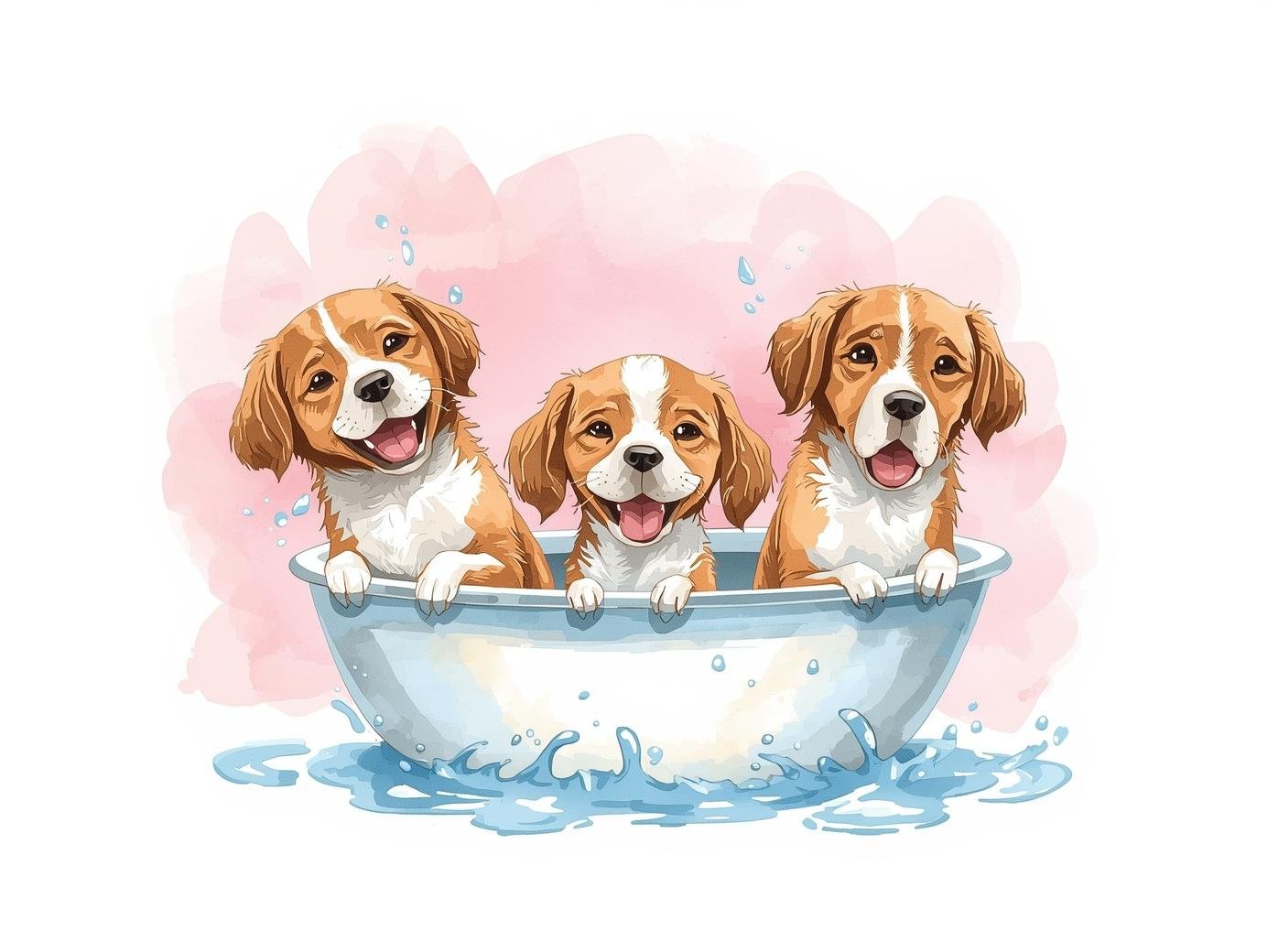
Many new dog owners ask a very common and important question: do dogs fear water when they take a bath? This question becomes even more common when people are searching for Labrador retriever puppies, comparing Pomeranian dog price, or planning to adopt Shih tzu puppies, because small and young dogs often react strongly to bath time. Understanding why dogs fear water, how this fear starts, and what you can do to make bath time easier will help you build a stronger bond with your dog and keep them clean without stress.
Bath fear is not about water itself in many cases. It is about noise, slipping, strange smells, bad past experiences, or even the owner’s energy.
Why Do Dogs Fear Water in General?
Dogs are not born afraid of water. In nature, many dogs swim very well. The fear usually develops because of experiences. A loud shower sound, cold water, or being forced into a bath can create fear very quickly. Dogs remember emotions strongly, especially fear.
Another reason is control. During a bath, dogs feel they cannot escape. Slippery floors, tight spaces, and unfamiliar tools make them feel unsafe. This is why some dogs run away as soon as they hear the word “bath”.
The Psychology Behind Bath Time Fear
Dogs learn through association. If bath time is connected to stress, shouting, or slipping, the dog’s brain marks it as dangerous. Over time, even seeing the bathroom can trigger fear. Puppies are especially sensitive during their early months.
Fear can also be learned from other dogs. If a puppy watches another dog panic during a bath, it may copy that behavior. Calm experiences matter a lot during early development.
Do All Dogs Fear Water?
No, not all dogs fear water. Some dogs love swimming, playing in lakes, and running through sprinklers. But enjoying swimming does not always mean enjoying baths. Bath time is different because it is controlled, small, and noisy.
Some dogs are comfortable with water outdoors but scared indoors. This shows that the environment, not water itself, is often the problem.
Labrador Retriever Puppies and Bath Time Fear
Labrador retrievers are known for loving water, but Labrador retriever puppies can still fear bath time. Puppies are still learning about the world, and a bad first bath can change their behavior.
Labrador puppies grow fast, and owners sometimes rush bath time without proper introduction. Even a water-loving breed needs slow and gentle training. Using warm water, soft voices, and treats can help Labradors connect baths with positive feelings.
Small Dogs and Water Fear
Small dogs often fear baths more than large dogs. This is because they feel more vulnerable. Water pressure feels stronger, and large sinks or tubs look scary to them. Small dogs also get cold faster.
Owners of small breeds should pay extra attention to water temperature, towel warmth, and gentle handling.
Pomeranian Dog and Grooming Expectations
When people research Pomeranian dog price they often forget to think about grooming needs. Pomeranians have thick coats that require regular bathing and brushing. Because of their size, they may feel overwhelmed during baths.
Their long fur also makes drying time longer, and loud dryers can increase fear. A calm routine and short bath sessions work best for Pomeranians. Gentle grooming from puppyhood reduces fear later in life.
Shih Tzu Puppies and Bath Anxiety
shih tzu dog price in UAE are affectionate and sensitive. They form strong emotional connections with their owners, which means they react strongly to negative experiences. If bath time feels stressful, they may feel betrayed or confused.
Shih Tzus need frequent grooming because of their long hair. Introducing bath time as a calm, loving activity helps prevent fear. Talking softly and maintaining eye contact helps them feel safe.
The Role of Early Experiences
The first few baths shape how a dog feels about water. Puppies that are gently introduced to water usually accept baths easily as adults. Puppies that are forced, scared, or rushed may develop long-term fear.
This is why breeders and early owners play an important role in shaping bath behavior.
Water Temperature Matters More Than You Think
Cold water can shock dogs. Hot water can hurt their skin. Lukewarm water is best. Dogs are more sensitive to temperature than humans. Always test water with your hand before using it.
Comfortable temperature reduces stress and makes the dog more relaxed.
Noise: The Hidden Fear Trigger
Running water, shower heads, and echoing bathrooms create loud sounds. Dogs hear much better than humans. What feels normal to us can feel overwhelming to them.
Using a cup instead of a shower head can reduce noise and fear. Quiet environments help dogs stay calm.
Slippery Floors and Loss of Balance
Dogs hate slipping. Slippery surfaces make them feel unstable and unsafe. This is one of the biggest reasons dogs resist baths.
Using a rubber mat or towel under their feet gives them grip and confidence.
Owner Energy and Body Language
Dogs read human emotions very well. If you are stressed, rushing, or nervous, your dog will feel it. Calm owners create calm dogs.
Slow movements, soft voice, and patience go a long way.
How to Make Bath Time Easier
Start slow. Let your dog explore the bathroom without water. Let them smell shampoo bottles and towels. Then introduce water slowly.
Use rewards like treats and praise. End the bath on a positive note every time.
Can Dogs Learn to Love Baths?
Yes, many dogs learn to tolerate or even enjoy baths. It depends on consistency, patience, and positive experiences. Some dogs may never love baths, but they can learn not to fear them.
Training and routine are key.
Bath Frequency and Fear
Bathing too often can increase fear and skin problems. Most dogs do not need frequent baths unless recommended by a vet or groomer.
Fewer, better-quality bath experiences are better than many stressful ones.
Professional Grooming vs Home Baths
Some dogs feel calmer with professional groomers because groomers are confident and experienced. Others feel safer at home.
Understanding your dog’s personality helps you choose the right option.
Signs Your Dog Is Afraid of Baths
Shaking, hiding, growling, heavy breathing, and trying to escape are common signs. These signs should not be ignored. They show emotional distress.
Respond with patience, not punishment.
What Not to Do During Bath Time
Never shout, force, or punish your dog during a bath. This increases fear and damages trust. Never spray water directly into their face.
Fear-based behavior needs understanding, not control.
Building Trust Over Time
Trust is built slowly. Each calm bath builds confidence. Each bad bath breaks trust. Think long-term.
Your dog should feel safe with you in all situations.
The Link Between Grooming and Overall Health
Bathing is not just about cleanliness. It helps prevent skin issues, parasites, and infections. When done correctly, it improves health and comfort.
A calm dog is easier to examine and groom properly.
Why This Topic Matters for New Puppy Owners
Understanding bath fear early prevents long-term problems. Many dogs are given away because of behavior issues that could have been avoided.
Education helps create happier dogs and owners.
Is Water Really the Problem for Dogs?
For most dogs, water alone is not scary. Dogs drink water daily and step into puddles without worry. The problem starts when water is combined with pressure, noise, restriction, and lack of control.
Bathing removes the dog’s ability to move freely. Dogs feel trapped, and this feeling triggers survival instincts. This is why even confident dogs can panic during baths.
The Natural Instincts That Affect Bath Time
Dogs are animals that depend on balance, smell, and hearing. During a bath, all three senses are disturbed. Wet fur changes body weight. Strong smells from shampoo confuse them. Loud water sounds overload their hearing.
These sensory changes happen at the same time, which makes bath time overwhelming.
How Puppies Develop Fear of Baths?
Puppies learn through experience. A puppy that slips during its first bath may remember that fear for years. Puppies do not understand that bathing is for hygiene. They only remember how it made them feel.
Early experiences shape long-term behavior more than breed or size.
The Importance of Routine
Predictable routines reduce anxiety. Bathing your dog at the same time, in the same way, builds familiarity and trust.
Dogs feel safer when they know what to expect.
Dog Bath Fear in the UAE Climate
Living in Dubai and all UAE creates a different experience for dogs when it comes to bathing. High temperatures, air conditioning, sand, and dust all affect how dogs feel before, during, and after a bath. Many dog owners in Dubai, Abu Dhabi, and other emirates notice that their dogs seem calmer around water outdoors but still fear indoor baths.
The strong contrast between hot outdoor weather and cold air-conditioned bathrooms can shock dogs. This sudden temperature change increases stress and makes bath time uncomfortable. Using warm water and avoiding cold air exposure after bathing is especially important in UAE homes.
How Hot Weather in the UAE Affects Bath Behavior
In the UAE, dogs get dirty faster due to dust, sand, and frequent outdoor walks. This often leads owners to bathe dogs more frequently. However, frequent bathing combined with heat can dry out a dog’s skin, making bath time itchy and uncomfortable.
Dry skin increases sensitivity, which can make dogs resist future baths. Choosing moisturizing, dog-safe shampoos and limiting bath frequency helps prevent this problem.
Apartment Living and Bath Anxiety
Most dog owners in the UAE live in apartments. Small bathrooms, enclosed spaces, and echoing sounds increase bath fear. Dogs feel trapped in compact spaces, especially small breeds.
Using balconies, laundry areas, or larger shower spaces when possible can reduce stress. Space matters more than people realize.
UAE Grooming Culture and Dog Expectations
Professional grooming is very common in the UAE. Many dogs are introduced to grooming salons at a young age. While this can be positive, sudden exposure without gradual preparation can increase fear.
Preparing dogs at home with gentle baths before professional grooming visits helps them adapt better to salon environments.
Breed Popularity in the UAE and Bath Challenges
In the UAE, popular breeds include Labradors, Pomeranians, Shih Tzus, French Bulldogs, and Toy Poodles. Many of these breeds require regular grooming due to coat type or climate needs.
Understanding breed-specific grooming expectations helps owners reduce stress and fear during baths.
Air Conditioning and Post-Bath Care
Air conditioning is essential in the UAE, but it can increase discomfort after bathing. Wet dogs exposed to cold air may shiver and associate baths with cold stress.
Drying dogs fully before returning to air-conditioned rooms is critical. Warm towels and limited AC exposure reduce fear memory.
Outdoor Water vs Indoor Baths in the UAE
Many UAE dogs enjoy beach walks, pools, or sprinklers, especially during hot months. This confuses owners when dogs still fear baths.
Outdoor water feels optional and fun. Indoor baths feel forced. This difference is emotional, not logical.
Hygiene Awareness Among UAE Dog Owners
UAE pet owners are very hygiene-conscious. This is positive but sometimes leads to overbathing. Over-cleaning removes natural oils and increases irritation.
Educating owners about balanced grooming improves dog comfort and long-term behavior.
Bath Time and Social Image
In the UAE, dogs are often seen as part of lifestyle and family image. Clean appearance matters, especially for small breeds.
Maintaining cleanliness without emotional stress creates confident, happy dogs that reflect well on responsible ownership.
Puppies Imported or Purchased Locally
Many puppies in the UAE are imported or purchased from breeders at a young age. Travel stress combined with new environments can increase bath fear.
Allowing puppies time to settle before introducing baths reduces anxiety.
Cultural Attitudes Toward Pets and Training
Pet culture in the UAE is growing fast. Many new dog owners are first-time owners. Education plays a big role in preventing bath-related behavior problems.
Simple routines and patience align well with modern pet ownership in the region.
The Role of Veterinary Advice in the UAE
Veterinarians in the UAE often advise limited bathing due to climate and skin sensitivity. Following professional advice helps prevent fear caused by discomfort.
Healthy skin equals calmer grooming.
Creating a UAE-Friendly Bath Routine
A good bath routine in the UAE includes warm water, quiet environment, gentle handling, full drying, and post-bath comfort away from cold air.
Routine matters more than perfection.
Frequently Asked Questions About The Relation Between Dogs And Water
Do dogs naturally fear water?
No, fear usually comes from bad experiences, not instinct.
Can puppies be trained to enjoy baths?
Yes, with gentle and positive training.
Is it normal for dogs to shake during baths?
Yes, shaking is a sign of stress or cold.
How often should I bathe my dog?
Only when needed, usually once every few weeks.
Does breed affect water fear?
Yes, but experience matters more than breed.
Why does my dog run away from the bathroom?
They may associate it with stress or fear.
Can I use human shampoo on my dog?
No, dog-specific shampoo is safer.
Is warm water better for dogs?
Yes, lukewarm water is best.
Should I reward my dog after a bath?
Yes, rewards help create positive associations.
Can loud water sounds scare dogs?
Yes, dogs are very sensitive to noise.
Do small dogs fear baths more?
Often yes, because they feel more vulnerable.
Can grooming salons help with bath fear?
Yes, professional groomers can help.
Should I bathe my puppy at night?
Any calm time is fine, as long as they dry fully.
Can fear of baths be permanent?
It can be reduced with patience and training.
Is it okay to skip baths if my dog hates them?
No, hygiene is important, but adjust the method.
Why does my dog try to bite during baths?
Fear can cause defensive behavior.
Can toys help during bath time?
Yes, toys can distract and calm dogs.
Should I talk to my dog during baths?
Yes, calm talking helps reassurance.
Can health issues cause bath fear?
Yes, pain or skin problems can increase fear.
Bath fear is not a behavior problem. It is a comfort problem. In the UAE environment, small adjustments make a big difference.
Understanding climate, living space, and dog psychology creates happier pets and owners.