

Poodle vs Golden Retriever Puppy vs Maltipoo: A Complete Guide to Choosing the Perfect Companion

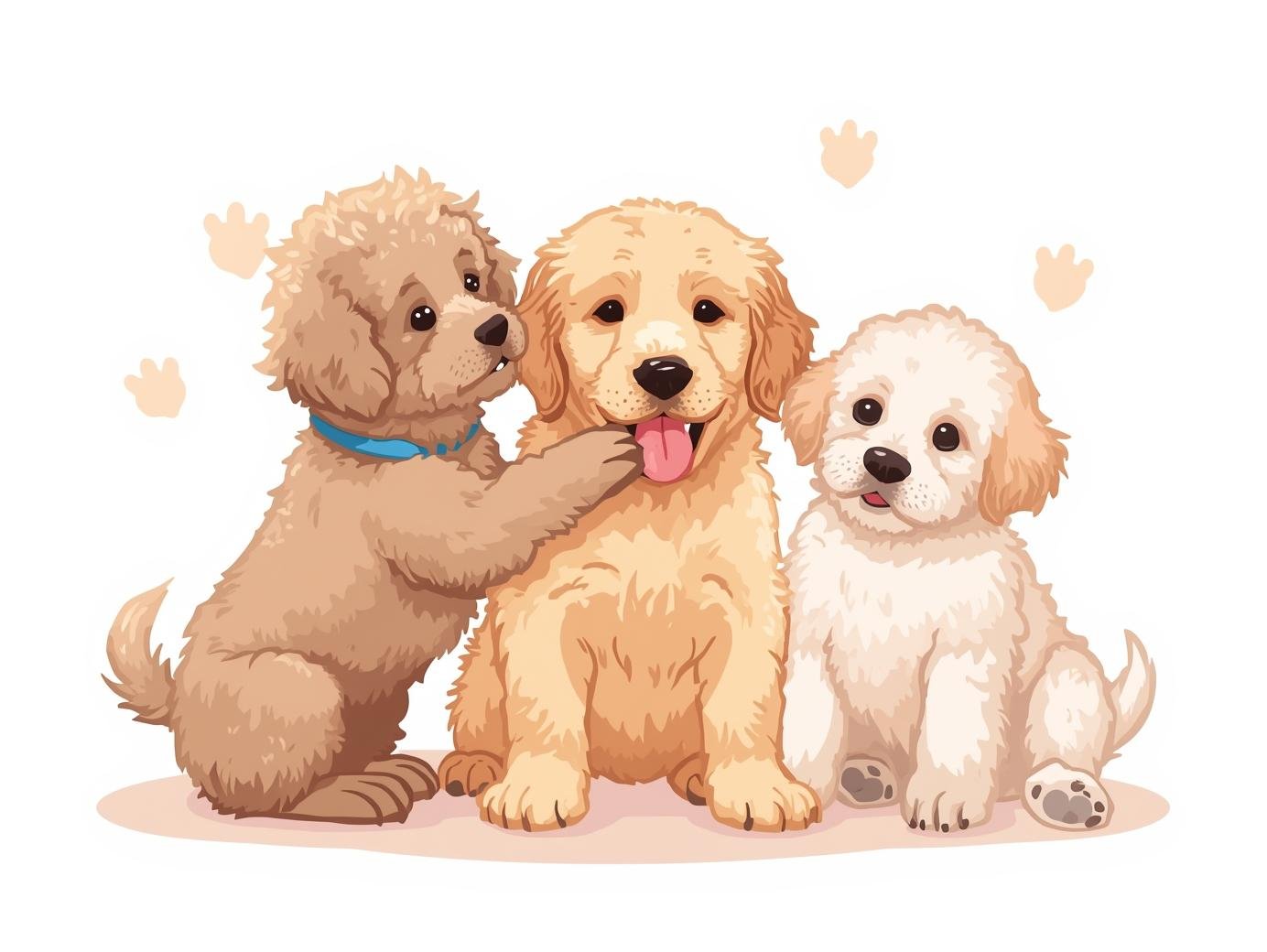
The poodle has long been celebrated as one of the most intelligent, adaptable and elegant dog breeds, and understanding its history and key characteristics helps clarify why it is often used as a benchmark breed or mixed into many designer crosses. The Poodle originally emerged (in its Standard size) as a water‐retrieving dog in Europe, prized for its athleticism, keen intelligence and loyalty. Over time, breeders developed smaller versions — Miniature and Toy Poodle — so that the breed’s hallmark traits could be adapted to different living environments.
The Poodle’s coat is curly and dense, which offers certain advantages (such as lower shedding in some cases) and also necessitates regular grooming. In temperament, the Poodle combines alertness, trainability and a strong desire to please its owner, making it excellent for obedience, agility and companion roles. Given these strengths, when someone is evaluating whether a Poodle might suit their lifestyle, the key factors become size variant (Standard vs Miniature vs Toy), grooming commitment, exercise needs and how much mental stimulation the dog receives.
When you bring a Poodle into your home, you’ll want to consider how its intelligence will manifest: a bored Poodle may develop undesirable behaviours (e.g., excessive barking, chewing, digging) more readily than a less‐bright breed. Ensuring that the Poodle has outlets for both mental and physical activity is crucial. Also, the grooming regimen must not be underestimated: though often described as “hypoallergenic” (because of its coat structure) this does not mean “no grooming” — far from it.
Living environment is another factor: while a Toy Poodle may adapt very well to apartment life, the Standard Poodle will thrive in homes with room to move and engage. Moreover, many breeders emphasise that a Poodle’s early socialisation is key to developing a confident adult dog.
Another important dimension is health and longevity. Healthy breeding practices for Poodles aim to mitigate issues such as hip dysplasia (in larger sizes), eye disorders and skin sensitivities — because Poodles are genetically strong but not immune to problems. When choosing a Poodle, credible breeders will provide clear health screening of parent dogs, and prospective owners should ask about the expected adult size, temperament, prior litters and support post-sale. When the Poodle is well cared for, it often becomes a loyal, intelligent and long‐lived companion — making the initial investment in time, training and grooming well worth it.
The Golden Retriever Puppy: A Family Favourite with Big Responsibilities
If you’re evaluating a golden retriever puppy as your next companion, you’re considering one of the most popular and trusted family dog breeds around the world. The Golden Retriever breed is known for its gentle temperament, highly sociable nature and suitability for families, children, active households and service roles. The “puppy” stage of a Golden Retriever is full of energy, learning, exploration and rapid growth — and that brings a set of unique responsibilities and considerations. To begin with, a Golden Retriever puppy will grow into a large dog (typically 55–75 pounds or more) and will need space, good exercise routines, mental enrichment and socialisation to become a balanced adult. The double coat, feathering and moderate shedding of the Golden Retriever also mean grooming and regular maintenance are part of the package. Furthermore, this breed is known to mature more slowly than some smaller breeds, meaning that their puppy‐like exuberance may last longer, and owners must remain consistent in training, boundaries and supervision.
Selecting a Golden Retriever puppy also implies you are ready for a long‐term commitment — both in terms of lifespan (often 10–14 years), and in cost of ownership (food, grooming, vet care, exercise, training). Moreover, their strong desire to be part of the family means they do not like being left alone for long periods; separation anxiety or destructive behaviours may result if the puppy doesn’t receive sufficient attention, training and activity.
In terms of temperament, the Golden formation emphasises friendliness over guarding instincts, so if your goal is a watchdog or guard dog, this may not be the best fit.For families with children, a Golden Retriever puppy can be a wonderful fit — patient, playful and adaptable — but supervision with young children remains advisable, because a large, exuberant dog may unintentionally knock over little ones.Overall, the Golden Retriever puppy is a brilliant choice for an active, engaged household that wants a devoted, loving dog who will be part of everyday life.
Choosing a Maltipoo: The Compact, Affectionate Alternative
When you’re searching for a small‐to‐medium sized dog with friendly disposition, low‐shedding tendencies and an adaptable nature, a maltipoo may hit the mark. The Maltipoo is a hybrid breed (cross between a Maltese and a Poodle — usually a Toy or Miniature variant) and has grown significantly in popularity for precisely these characteristics.A Maltipoo stands roughly 8–14 inches tall and weighs typically 5–20 pounds, depending on parentage. Because of its smaller size and affectionate nature, a Maltipoo is especially appealing for apartment dwellers, singles, seniors or families seeking a companion dog rather than a high‐energy, large‐breed.
One key factor to understand when selecting a Maltipoo is that, as a hybrid, there can be greater variation—both in size and temperament—compared with a purebred breed. Also, although they often inherit the low‐shedding coat traits from the Poodle side, virtually no dog is completely hypoallergenic, so individuals with severe allergies should spend time with the dog beforehand to test compatibility. In terms of personality, Maltipoos are known for being affectionate, eager to please, adaptable to living in varied environments and good with families, children, and other pets.
That said, because of their companion‐focus, they can suffer from separation anxiety if left alone for long durations, and early socialisation and training are equally important in this breed. In terms of care, while a Maltipoo may have fewer exercise demands than a large breed dog, they still need consistent short walks, mental stimulation and grooming attention — their coat may matt or tangle if neglected.
you work with a responsible breeder who screens for health issues (patellar luxation, dental problems, small‐breed vulnerabilities) is important. Their small size brings both advantages (fits into home easily, travels well) and challenges (fragile bones, dental crowding, perhaps higher grooming relative to size). When matched well to the household and given consistent care, a Maltipoo becomes a loving, long‐term companion who thrives alongside its humans.
you can know more about Cane Corse Puppy For Sale
Side-by-Side Comparison: Breed Size, Temperament, Care & Lifestyle Fit
Here we summarise the major practical differences and help you reflect on what fits your lifestyle.
Size & Growth
-
Poodle: Depending on variant (Standard, Miniature, Toy) size can vary widely. Standard may weigh 40 kg+, Miniature much smaller, Toy very small.
-
Golden Retriever puppy: Will grow into a large breed — adult size often 21-24 inches height and 55–75 pounds.
-
Maltipoo: Small breed/hybrid; adult height ~8–14 inches, weight ~5–20 pounds (depending on parentage). Exercise Needs
-
Poodle: Generally energetic and intelligent; needs both physical and mental stimulation.
-
Golden Retriever puppy: High energy, fun‐loving and playful. Needs significant exercise, both physical and mental.
-
Maltipoo: Moderate energy relative to large breeds; good for smaller homes or apartments but still needs regular activity and mental engagement.
Grooming & Shedding
-
Poodle: Curly, dense coat. Lower shedding compared to many breeds, but grooming workload can be high (brushing, trimming).
-
Golden Retriever puppy: Double coat, moderate to heavy shedding especially seasonally; requires regular brushing and maintenance.
-
Maltipoo: Often inherits low-shedding traits from Poodle; coat may be wavy or curly; grooming important (brushing, trims) so as to avoid mats.
Temperament & Suitability
-
Poodle: Smart, trainable, sometimes active; good all-round companion depending on lifestyle.
-
Golden Retriever puppy: Extremely friendly, loyal, family‐oriented, superb with children; may be too boisterous for some households.
-
Maltipoo: Affectionate, adaptable, good for families, singles or seniors; smaller size makes it easier to integrate into homes with less space.
Health & Lifespan Considerations
-
Poodle: Generally healthy when well bred; larger sizes (Standard) may face joint issues, smaller sizes may face dental issues.
-
Golden Retriever puppy (adult): Prone to some breed‐specific health issues including hip dysplasia, cancer risk, obesity; average lifespan ~10-14 years.
-
Maltipoo: As a hybrid, may avoid some purebred issues but still can face small-breed specific issues (patellar luxation, dental disease, etc) and lifespan may be longer due to smaller size.
Cost & Commitment
-
Poodle: Depending on size and grooming: purchase cost + high grooming cost (especially show‐type) + mental stimulation expense.
-
Golden Retriever puppy: Large breed = higher food cost, space needed, more exercise, more potential vet costs.
-
Maltipoo: Smaller home footprint, lower food cost, but grooming and small-breed care should not be underestimated.
Choosing the Right Dog for Your Home
When deciding between a Poodle, a Golden Retriever puppy or a Maltipoo, reflect on the following questions:
-
Living space – Do you have a large yard? Apartment? Travel often?
-
If space is limited and you want a smaller breed: Maltipoo might fit best.
-
If you have ample space and want a large, active family dog: Golden Retriever.
-
If you want a highly intelligent dog and are comfortable with grooming demands: Poodle (choose size variant accordingly).
-
-
Time & Lifestyle – How much time do you spend home? How active are you?
-
High‐activity lifestyle: Golden Retriever might be a good match.
-
Moderate activity, less space: Maltipoo or a smaller Poodle variant.
-
Good time for training, stimulation and grooming: Poodle.
-
-
Grooming and Maintenance – Are you willing to invest in grooming, brushing, trimming?
-
Poodle & Maltipoo: higher grooming commitment.
-
Golden Retriever: moderate but still requires regular grooming and dealing with shedding.
-
-
Family & Other Pets – Children, other pets, etc.
-
Golden Retriever: excellent with children and families.
-
Maltipoo: good with families when socialised, but small size may need careful supervision with very young children.
-
Poodle: depends on size and training; could be a great fit for families too.
-
-
Health & Lifespan – How long do you want the dog to live? What health support are you prepared for?
-
Smaller dogs often live longer; but each breed has its health considerations.
-
Make sure the breeder provides health clearances and you have budgeted for vet care over the dog’s lifespan.
-
-
Your Goals – Are you looking for a working dog, show potential, therapy role, or simply a companion pet?
-
Golden Retriever: strong working and family dog heritage.
-
Poodle: highly trainable, versatile, show, companion.
-
Maltipoo: companion dog, low‐shedding focus, adaptable for smaller homes.
-
Tips for Bringing Home, Training and Building a Bond
Regardless of which breed you choose, these key practices will help ensure your dog grows into a happy, healthy and well-behaved companion.
-
Start Socialisation Early – Introduce your puppy to different people, places, sounds, surfaces, other pets. A well‐socialised dog is confident, adaptable.
-
Positive Reinforcement Training – Reward-based training works best. Especially for intelligent breeds like Poodle and Maltipoo, consistent and engaging training sessions keep them mentally stimulated.
-
Exercise & Mental Enrichment – Every dog needs both physical exercise and mental stimulation. For large breeds, longer walks and play; for smaller breeds, short bursts of play, puzzle toys, indoor challenges.
-
Grooming & Health Routines – Regular brushing, bathing, nail trimming, ear cleaning. Watch health signals: joints, eyes, dental health, weight.
-
Routine & Structure – Dogs thrive on routine: set feeding times, potty breaks, play times. Consistency helps them feel secure and integrated into your home.
-
Choose a Reputable Breeder or Adoption Source – Health clearances, documented lineage (where relevant), realistic expectations, support for the life of the dog.
-
Long-Term Commitment – Bringing a puppy home means decades of companionship. Budget, plan and be prepared for changes in your lifestyle and the dog’s needs over time.
Match the Breed to Your Lifestyle
In summary, the differences between the Poodle, a Golden Retriever puppy and a Maltipoo boil down to size, energy levels, grooming/maintenance, temperament, suitability for different living environments, and long-term commitment. If you have space, active lifestyle, want a large family dog and are prepared for the responsibilities, a Golden Retriever puppy could be a wonderful fit. If your home is smaller, you prefer a dog that adapts easily, you like regular grooming and desire a highly trainable companion, a Poodle (in the size variant that fits) is an excellent choice. If you are seeking a smaller companion dog, suited for apartment living or lower space/footprint, and you like affectionate, adaptable, low-shedding dogs, then a Maltipoo offers a strong alternative.
By reflecting on your home, time, expectations, finances and long‐term goals, you’ll be far more likely to select the right dog for life — one who complements your lifestyle and becomes a treasured member of your family. Whether you choose the Poodle, the Golden Retriever puppy or the Maltipoo, with proper care, training, love and attention you’ll enjoy years of companionship, growth and joy together.